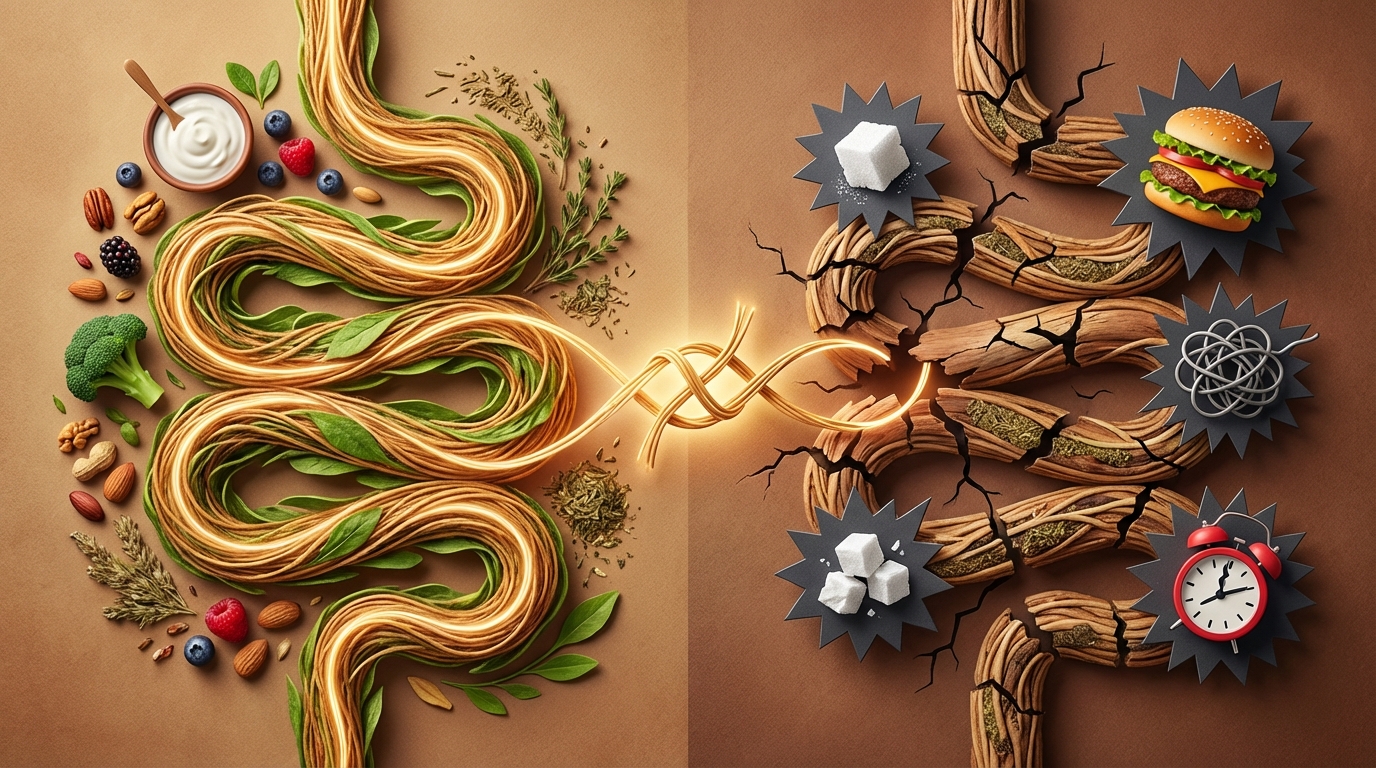
I have spent the better part of two decades reporting on the intersection of nutrition and biology, and if there is one thing I have learned, it is that we are often our own worst enemies when it comes to gastrointestinal wellness. We live in a culture that treats the stomach like a disposal unit rather than a complex biological ecosystem. I have seen countless people try the most expensive probiotics on the market while still making basic digestive mistakes that render those supplements almost useless. It is a frustrating cycle. But here is the thing: your gut is remarkably resilient if you just stop getting in its way. Improving your health does not always require adding something new. Sometimes, it is about identifying the habits that are quietly sabotaging your progress.
- Slowing down your eating pace allows for proper cephalic phase digestion and enzyme release.
- Eating late at night disrupts the circadian rhythm of the gut microbiome, which studies suggest can impact metabolic health.
- Chronic stress shifts blood flow away from the digestive tract, leading to a host of functional issues.
- Hydration and fiber must be balanced to avoid constipation and discomfort.
When we talk about reclaiming your gut health, we are really talking about restoring the natural rhythm of your body. Most of us are completely out of sync. We eat on the run, we eat under pressure, and we eat things that our ancestors would not even recognize as food. This disconnect is where the trouble starts. In my experience, once you fix these foundational errors, the body starts to do the heavy lifting for you. Let’s look at the science behind why these habits matter and what you can do to turn things around today.
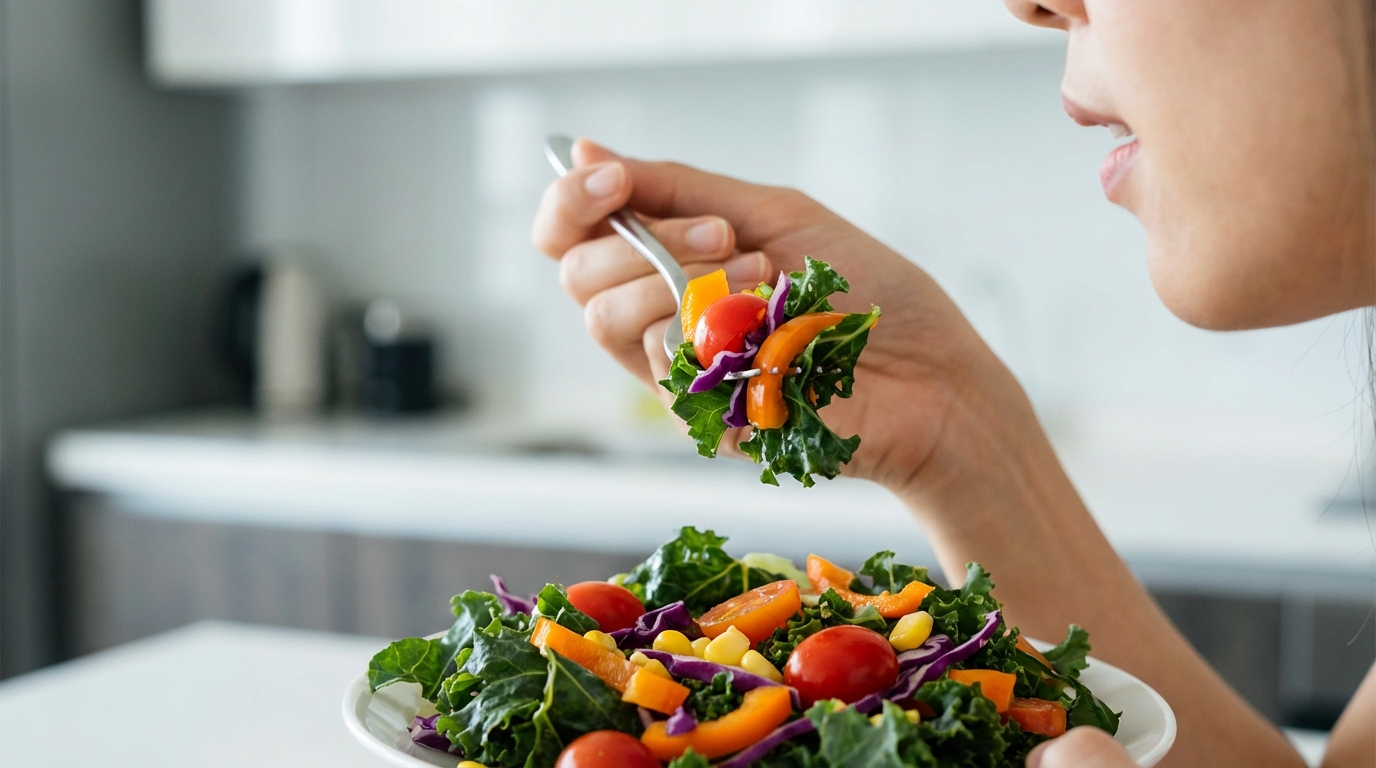
Specific nutrients play a vital role in maintaining the integrity of the intestinal wall and supporting the millions of bacteria living inside you. When we talk about metabolic health and digestion, these are the heavy hitters you should be aware of:
- Zinc: This mineral is essential for the production of stomach acid and helps maintain the structural integrity of the gut lining.
- Vitamin D: Research indicates that adequate levels are associated with a more diverse microbiome and a stronger intestinal barrier.
- Magnesium: It helps relax the muscles in the digestive tract, which is important for maintaining regular bowel movements.
- L-Glutamine: Often cited in clinical settings, this amino acid is a primary fuel source for the cells lining the small intestine.
- Vitamin A: It supports the mucosal layer of the gut, which acts as the first line of defense against pathogens.
The problem with eating at light speed
I once watched a colleague finish an entire foot-long sandwich in under four minutes while typing an email. It was impressive in a terrifying way. But here is the reality: your digestion starts in your brain, not your stomach. This is called the cephalic phase of digestion. When you smell, see, and anticipate food, your brain signals your salivary glands to produce enzymes and your stomach to produce acid. If you inhale your food, you skip this phase entirely. You end up dumping large, un-chewed chunks of food into a stomach that is not chemically prepared to receive them.
Studies suggest that eating quickly is associated with an increased risk of indigestion and weight gain. Why? Because it takes about 20 minutes for your gut hormones to tell your brain that you are full. If you finish your meal in five minutes, you have probably overeaten before your brain even knows the meal has started. Plus, you are swallowing a lot of air, which leads to that uncomfortable bloating we all hate. Try putting your fork down between bites. It sounds simple, almost too simple, but it is one of the most effective nutrition habits you can adopt. Your stomach does not have teeth. Let your mouth do its job first.
Why your gut needs a strict curfew
We have all been there. It is 10 PM, you are caught up in a show, and suddenly you are halfway through a bag of pretzels. But your gut has its own internal clock, known as a circadian rhythm. Just like your brain needs sleep to recover, your digestive system needs a period of rest to perform what is called the Migrating Motor Complex (MMC). This is essentially a “housekeeping” wave that sweeps through your intestines, clearing out undigested food and bacteria. This process only happens when you are in a fasted state.
When you snack late into the night, you interrupt this cleaning cycle. This can lead to small intestinal bacterial overgrowth (SIBO) and general sluggishness. On top of that, eating close to bedtime can trigger acid reflux because lying flat makes it easier for stomach acid to travel back up the esophagus. I have found that a simple 12-hour window, for example, finishing dinner by 7 PM and not eating until 7 AM, can drastically improve how people feel in the morning. It gives your system the time it needs to reset and repair.

The heavy toll of chronic stress on your stomach
I have seen people with the “perfect” diet still suffer from terrible bloating and pain. Why? Because they are constantly stressed. The gut-brain axis is not just a catchy phrase; it is a physical connection through the vagus nerve. When you are in “fight or flight” mode, your body prioritizes immediate survival over long-term processes like digestion. It literally shunts blood away from your gut and toward your heart and limbs. This slows down the movement of food and can even alter the composition of your microbiome.
Actually, I remember a period in my life when I was working 80-hour weeks. My digestion was a disaster, no matter how many greens I ate. It was only when I started incorporating 10 minutes of deep breathing before meals that things changed. By activating the parasympathetic nervous system (the “rest and digest” mode), you tell your body it is safe to process nutrients. It is not about eliminating stress, that is impossible, but about managing it so your gut can function. Stress management is as much a digestive tool as a high-fiber diet is.
Why ultra-processed food is a microbial desert
The modern diet is full of what I call “edible food-like substances.” These products are engineered for shelf life and hyper-palatability, not for your bacteria. Most ultra-processed foods are stripped of fiber and loaded with emulsifiers, artificial sweeteners, and preservatives. Studies suggest that certain emulsifiers can actually thin the protective mucus layer of the gut, allowing bacteria to come into direct contact with the intestinal wall, which may trigger inflammation.
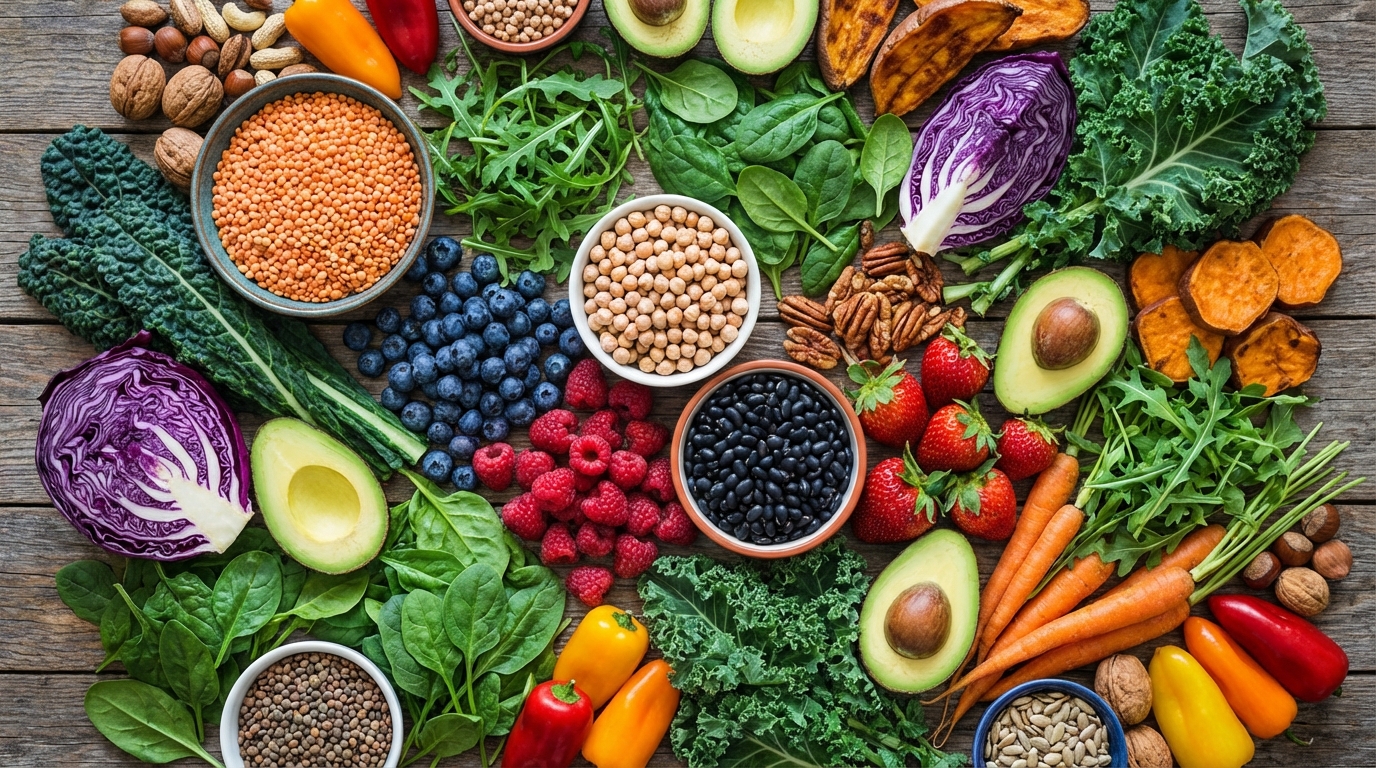
Think of your gut microbiome as a garden. To keep it diverse, you need to provide it with different types of compost, which in this case, is diverse plant fiber. Processed foods offer nothing for these beneficial microbes to eat, so they starve. This leads to a loss of microbial diversity, which is a big deal for your immune system and overall health. If you want a healthy lifestyle, the bulk of your intake should be whole foods that look like they did when they came out of the ground. It is not about being perfect; it is about the majority of your choices supporting your biology.
The hydration and fiber balance act
People often hear they need more fiber and immediately start dumping flaxseeds and bran into everything. While fiber is great, it acts like a sponge. If you increase your fiber intake without also increasing your water intake, you are essentially creating a brick in your intestines. This is a classic mistake that leads to more constipation, not less. I have seen this happen frequently in the wellness community where enthusiasm outpaces physiological understanding.
Hydration is the lubricant that keeps the digestive gears turning. It helps the fiber move through your system and keeps the mucosal lining of your gut moist. If you are going to add more legumes, seeds, or whole grains to your diet, you must sip water throughout the day. Not a gallon all at once, which can actually dilute your digestive enzymes, but steady hydration. It is a balancing act. Too much fiber without water equals trouble. Too much water during a meal can also be problematic for some. Find that middle ground where your body feels supported.
Why movement matters for motility
We often think of digestion as something that happens while we sit still, but movement is a powerful stimulator of gut motility. When you move your body, you are physically helping the muscles in your colon to contract, which helps move waste along. This is why a short walk after a meal is one of the oldest and best pieces of health advice. It does not have to be a vigorous workout. In fact, intense exercise right after eating can actually hinder digestion because the body shifts its focus to the muscles.
I have noticed that for people with sedentary office jobs, digestive sluggishness is almost a given. The simple act of standing up and stretching every hour can make a difference. Movement also helps with the burnout recovery process by lowering cortisol levels, which, as we discussed, directly impacts the gut. It is all connected. Your body was built to move, and your gut depends on that movement to stay regular and healthy. If you are feeling backed up, sometimes the best medicine is simply a walk around the block.
Addressing Potential Risks
While fixing these mistakes is generally safe, there are nuances to consider. For example, if you have a condition like Crohn’s disease or Ulcerative Colitis, simply “adding more fiber” can actually cause a flare-up. It is also important to note that while fermented foods are excellent for most, they can cause issues for those with histamine intolerance. Always listen to your body and consult a professional if you have a diagnosed gastrointestinal condition. Wellness is not a one-size-fits-all journey.
Dietary Considerations and Healthy Swaps
If you are looking to improve your gut health, you don’t need to overcomplicate things. Small, consistent swaps can lead to big changes over time. Instead of reaching for a sugary yogurt, try plain kefir with a handful of berries. Instead of white pasta, which can be low in nutrients and fiber, try a lentil-based version or a small portion of sourdough bread. Sourdough undergoes a fermentation process that breaks down some of the gluten and lectins, making it much easier on the stomach for many people.
Frequently Asked Questions
Can I fix my gut health in just a few days?
While you might feel less bloated within 48 to 72 hours of changing your habits, true structural change in the microbiome takes time. Studies suggest it can take several weeks of consistent dietary changes to see a significant shift in the types of bacteria living in your gut. Consistency is more important than intensity.
Are probiotics the only way to heal my gut?
Actually, no. Probiotics are just one piece of the puzzle. Prebiotics, which are the fibers that feed your existing bacteria, are often more important. Focus on eating a wide variety of plants like garlic, onions, leeks, and asparagus. These act as fuel for your beneficial microbes. Most people find that a “food first” approach is more sustainable than relying solely on expensive supplements.
How do I know if I have a food intolerance?
The most reliable way is through a guided elimination diet, where you remove common triggers like dairy or gluten for a few weeks and then reintroduce them one at a time. I have seen people waste a lot of money on expensive “sensitivity tests” that are not always scientifically accurate. Tracking your symptoms in a journal for two weeks is often much more enlightening and costs nothing.
Improving your digestion is not about achieving some impossible level of purity. It is about understanding how your body works and making small adjustments that honor its biological needs. Stop rushing. Give yourself a curfew. Breathe before you bite. These might seem like minor shifts, but over months and years, they are the foundation of a life lived in health rather than discomfort. Your gut is ready to work for you; you just have to give it the right environment to do so.