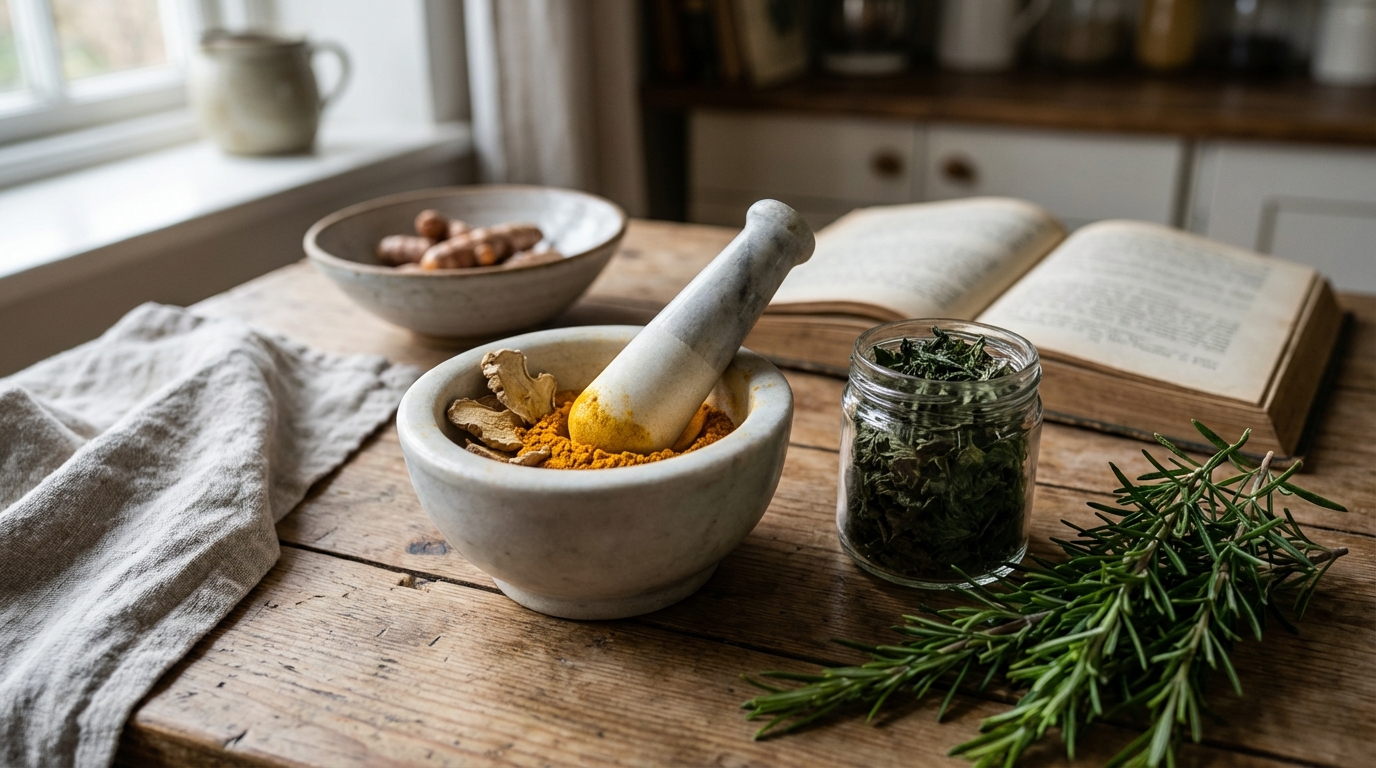
Look, getting older shouldn’t mean you have to accept constant physical discomfort as your new normal. I’ve spent years talking to health experts and seniors who are tired of the same old advice that doesn’t seem to move the needle. You know the feeling. It’s that stiffness in your knees when you first stand up in the morning or that lingering ache in your lower back after a short walk in the garden. While modern medicine has its place, many people are looking back at the spice cabinet for answers. Specifically, herbs like peppermint and rosemary are showing real promise in clinical discussions surrounding age related mobility. But do they actually work? Or is it all just folk wisdom? Let’s get into the actual science behind these plants and how they might help you move a little easier.
- Peppermint contains menthol which acts as a natural cooling agent to soothe muscle spasms.
- Rosemary is packed with rosmarinic acid, a compound associated with reduced systemic inflammation.
- Both herbs can help improve circulation, which is vital for delivering nutrients to aging joints.
- Topical application and internal consumption offer different but complementary benefits for seniors.
When we talk about joint pain in seniors, we’re usually talking about two things: inflammation and reduced blood flow. Over time, the cartilage that cushions your joints begins to thin. This triggers an immune response. Your body tries to protect the area by sending inflammatory markers there, but this often leads to more pain and swelling. It’s a frustrating cycle. I once met a man in his late 70s who had stopped woodworking, his lifelong passion, because his hands just wouldn’t cooperate anymore. He started using a simple rosemary infused oil daily, and within a month, he was back in his shop. It wasn’t a miracle, it was chemistry. The compounds in these herbs interact with our biology in ways that can actually dampen those inflammatory signals.
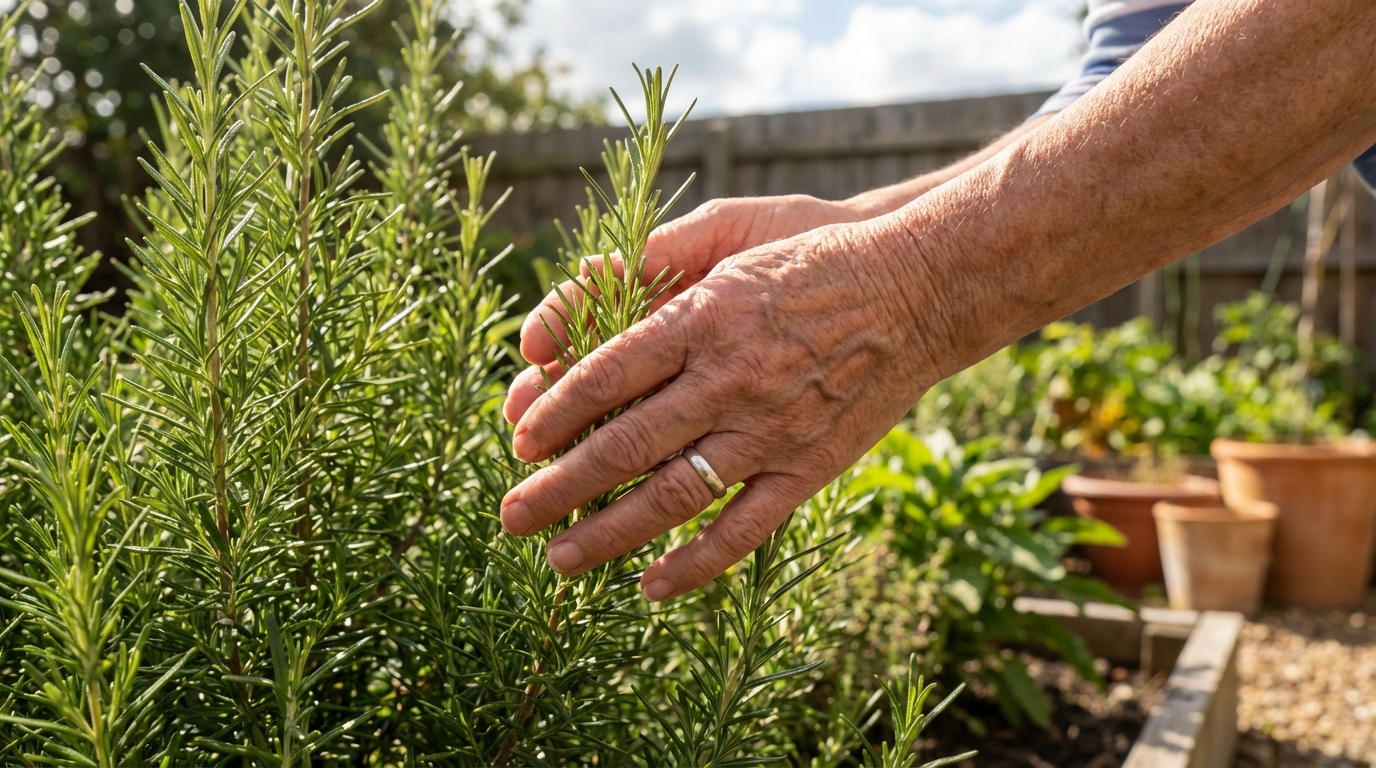
Peppermint is more than just a fresh scent
Most people think of peppermint as something that belongs in a candy cane or a cup of tea for an upset stomach. But here’s the thing. Peppermint is a powerhouse for muscle health. The primary active component, menthol, is what gives the herb its signature cooling sensation. From a clinical perspective, menthol is fascinating because it acts as a calcium channel blocker. This helps relax the smooth muscles and can reduce the intensity of muscle spasms that often plague seniors during the night. Have you ever dealt with a leg cramp that wakes you up at 3:00 AM? That’s exactly where peppermint can be a huge help.
Studies suggest that when peppermint oil is applied topically, it can cross the skin barrier and reach the underlying tissue. It essentially distracts the nerves. By stimulating the cold receptors in your skin, it can help dull the transmission of pain signals from your joints to your brain. This doesn’t mean the underlying issue is gone, but it provides a window of relief that allows for better movement and exercise. And as we know, staying active is the best way to keep those joints lubricated and healthy long term.
- Menthol: Acts as a natural analgesic and muscle relaxant.
- Limonene: A terpene that may help reduce oxidative stress in the cells.
- Cineole: Found in peppermint, this compound is often linked to improved respiratory function and blood flow.
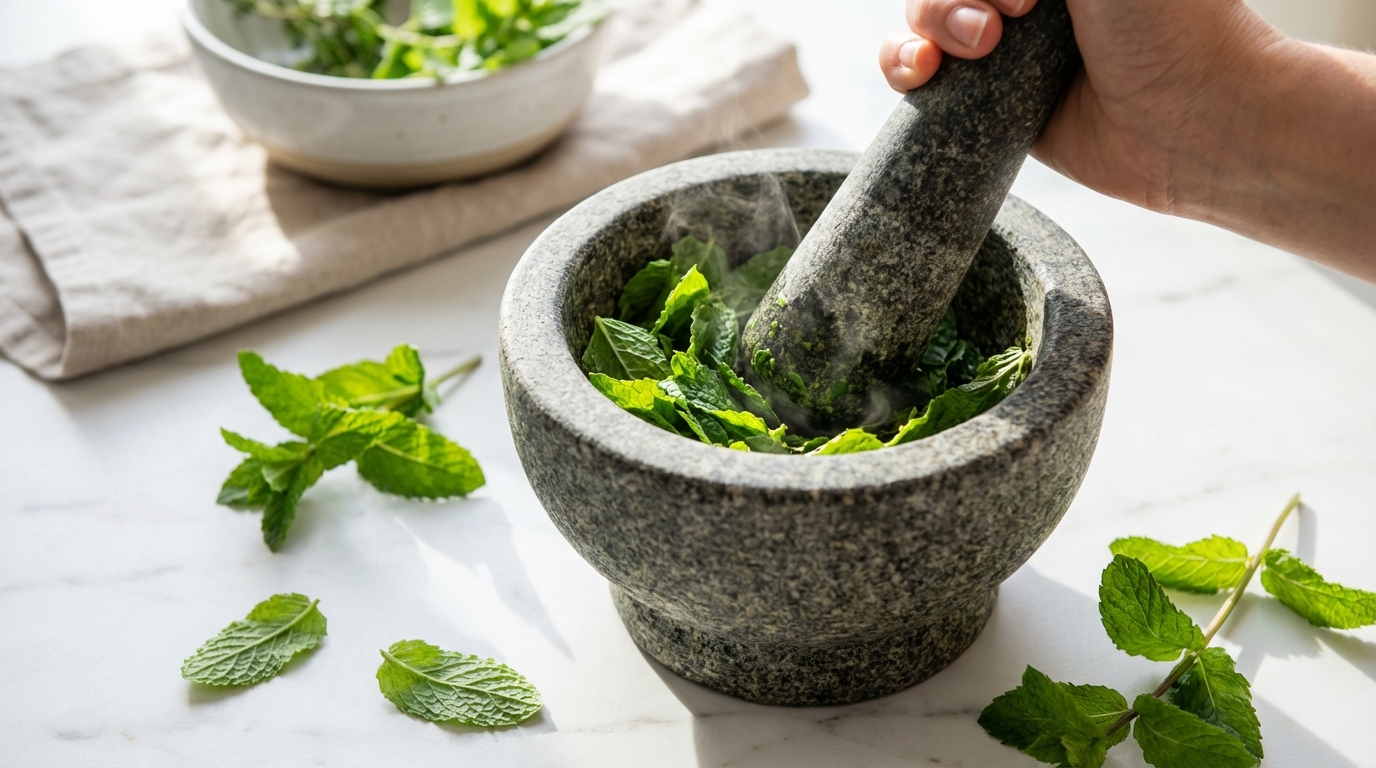
Rosemary helps your blood flow better
Rosemary is often overlooked because it’s so common. You probably have a jar of it sitting in your pantry right now. But for seniors, this herb is an absolute gem for circulation and bone health. One of the biggest challenges as we age is getting enough oxygenated blood to our extremities. If your feet and hands always feel cold, or if your muscles feel heavy and tired, poor circulation might be the culprit. Rosemary contains rosmarinic acid and carnosic acid, both of which are potent antioxidants.
These antioxidants do something very specific. they help protect the lining of your blood vessels from damage. When your blood vessels stay flexible and healthy, your heart doesn’t have to work as hard to push blood into the tiny capillaries surrounding your joints. Plus, some research suggests that rosemary extracts might inhibit the breakdown of bone tissue. For a population concerned about osteoporosis and fractures, adding a little extra rosemary to the diet or using it in a rub isn’t just about flavor. It’s about protecting the structural integrity of the body. I’ve found that many people ignore rosemary because they think it’s just for roasting chicken, but the therapeutic potential is much higher than that.
How these herbs work together
Using these two together creates a synergistic effect. Think of it like a team. Peppermint works on the immediate sensation of pain and muscle tension, while rosemary works on the long term issues of circulation and inflammation. When you use them in a tea or a topical application, you’re attacking the problem from two different angles. This is why you’ll often see them paired in natural wellness products designed for seniors. It’s a logical combination that addresses the most common complaints of an aging body without the heavy side effects often associated with over the counter painkillers.
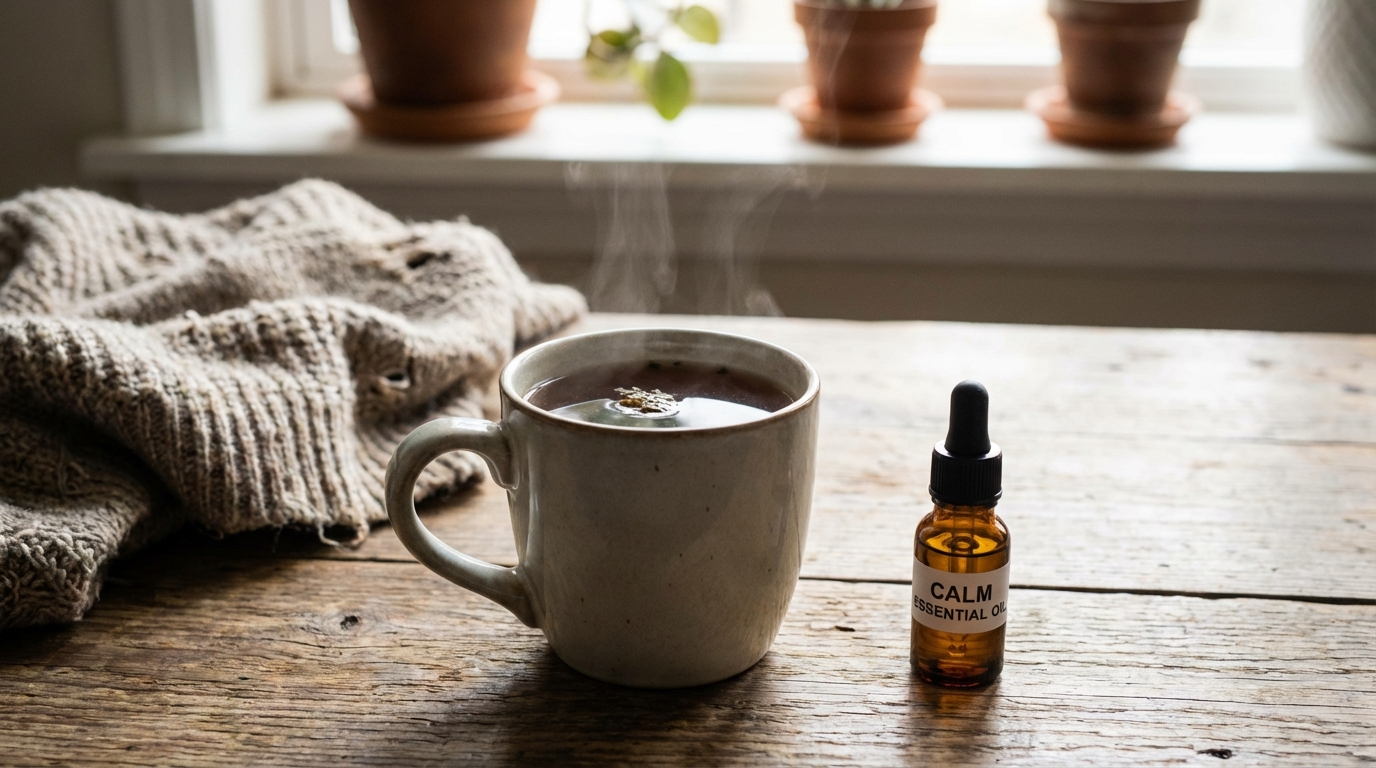
- Start with 1/2 cup of a carrier oil like sweet almond or jojoba oil.
- Add 10 drops of high quality peppermint essential oil.
- Add 10 drops of rosemary essential oil.
- Mix the oils thoroughly in a dark glass bottle.
- Massage a small amount onto sore knees, elbows, or hands twice daily. Be sure to avoid any broken skin or sensitive areas like the eyes.
Potential risks and what to watch for
Here is where I need to be objective. Natural doesn’t always mean harmless. For most people, these herbs are perfectly safe, but there are a few things seniors need to keep in mind. If you’re taking medication for high blood pressure, you should talk to your doctor before consuming large amounts of rosemary, as it can occasionally interfere with those drugs. Similarly, peppermint can sometimes trigger heartburn or acid reflux if you drink it as a tea. This is because it relaxes the sphincter between the esophagus and the stomach, which is exactly the opposite of what you want if you already struggle with GERD.
Topically, always do a patch test first. As we get older, our skin can become thinner and more sensitive. Put a tiny bit of the oil on your forearm and wait 24 hours. If there’s no redness or itching, you’re likely good to go. Also, if you have any history of gallstones, be cautious with peppermint, as it can stimulate bile production. It’s all about balance and listening to what your body tells you. Don’t just dive in headfirst because a blog post said it was a good idea. Start slow and see how you feel.
Making these herbs part of your routine
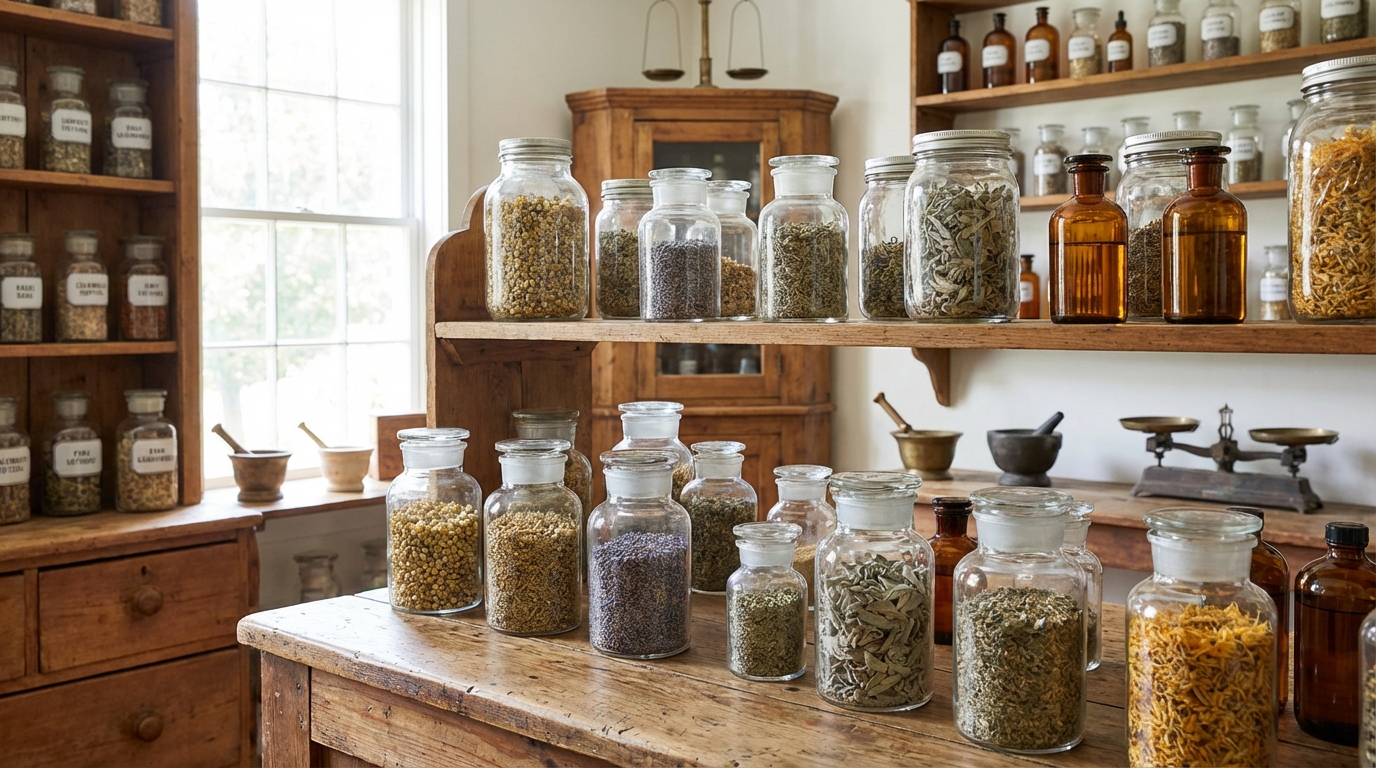
The best way to see results isn’t by doing something once. It’s about consistency. If you want to use these herbs for joint health, you need to make them a part of your daily rhythm. This could be as simple as drinking a cup of peppermint tea after dinner or using a rosemary infused olive oil when you cook. For muscle health, the topical route is usually faster. I recommend keeping a small bottle of the oil mix I mentioned earlier right on your nightstand. Massaging your joints before bed can help improve the quality of your sleep by reducing that dull ache that makes it hard to get comfortable.
Another great way to use rosemary is through aromatherapy. Simply smelling the herb has been shown in some small studies to lower cortisol levels. High cortisol, the stress hormone, is a known contributor to systemic inflammation. So, by just having a rosemary plant in your kitchen or diffusing the oil, you’re helping your body stay in a more relaxed, anti-inflammatory state. It’s these small, low effort changes that often lead to the biggest improvements in well being over time. You don’t need a radical overhaul. You just need a few “natural allies” in your corner.
FAQ
Can I use dried herbs instead of essential oils for a rub?
You can, but it takes more time. You would need to infuse the dried rosemary and peppermint in a carrier oil for about four to six weeks in a sunny window. This is a great, gentle way to get the benefits if you find essential oils too strong. The resulting oil will be less concentrated but still very effective for daily massage.
Is it okay to drink peppermint tea every day?
For most seniors, yes. One or two cups a day is generally considered safe and can even help with digestion. However, if you notice an increase in heartburn or if you’re taking specific medications for heart conditions, it’s worth a quick chat with your healthcare provider to be sure.
How long does it take to feel the benefits of rosemary for circulation?
This isn’t an overnight fix. While the scent can be invigorating immediately, the systemic benefits for circulation and inflammation usually take about two to three weeks of consistent use to become noticeable. Patience is key when working with herbal remedies.
Will these herbs interfere with my arthritis medication?
In general, culinary amounts of these herbs are safe. However, concentrated extracts or large therapeutic doses can sometimes interact with blood thinners or diabetes medications. Always keep your doctor in the loop about any supplements or herbal routines you start, even if they seem minor.