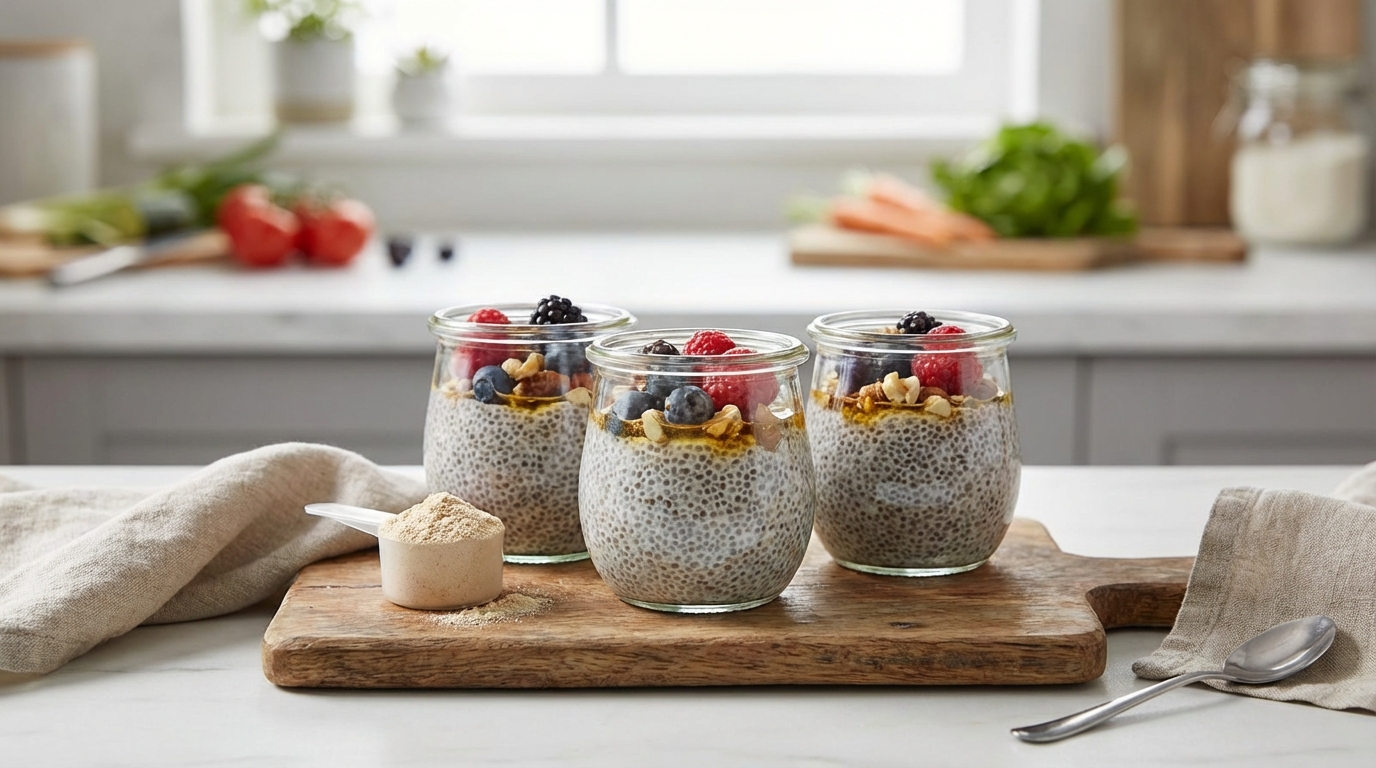
I used to be a total skeptic when it came to chia pudding. For years, I watched it trend on social media and thought it looked a bit like textured water that would leave me hunting for a snack twenty minutes later. If you have ever tried a basic chia seed and water mix, you know exactly what I am talking about. It is often thin, somewhat bland, and nutritionally incomplete if you are looking for a meal that actually sustains a busy morning. But here is the thing I eventually learned. When you understand the science of satiety and start treating chia seeds as a base for high-quality protein rather than the whole meal, everything changes. I have found that adding a strategic protein boost transforms this from a light snack into a metabolic powerhouse that supports muscle retention and keeps blood sugar stable.
- Chia seeds are a source of ALA omega-3 fatty acids and provide about 5 grams of fiber per tablespoon.
- Adding protein powder or Greek yogurt is necessary to reach a 20-30 gram protein threshold for breakfast.
- The fiber in chia seeds helps slow the digestion of protein, extending the feeling of fullness.
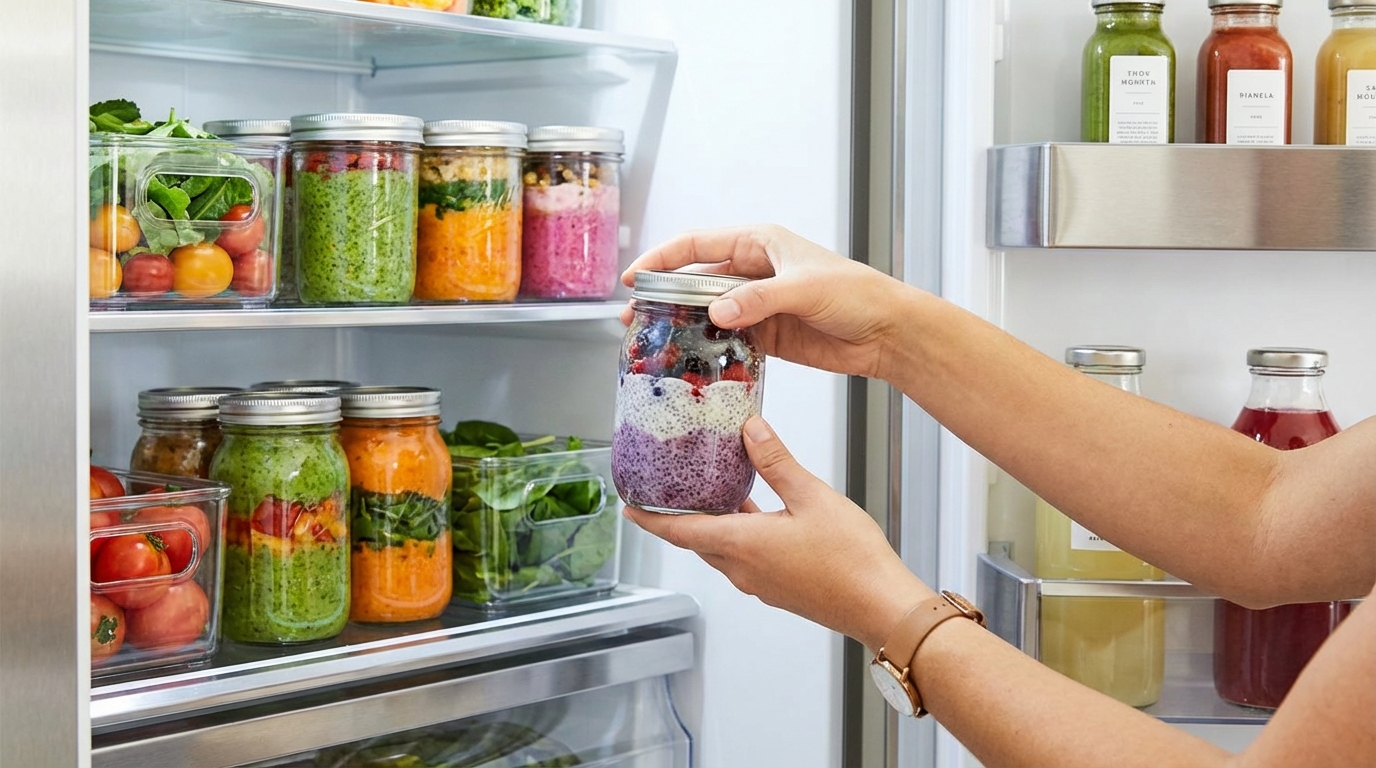
- Prepping these in glass jars keeps them fresh for up to five days in the refrigerator.
The magic of the chia seed lies in its ability to absorb up to twelve times its weight in liquid. This creates a mucilaginous gel that is incredible for digestive health. However, many people forget that while chia seeds have some protein, it is not quite enough to meet the needs of someone focused on metabolic health or athletic recovery. That is why I started experimenting with these high-protein variations. By shifting the ratio and adding clean protein sources, you are not just eating a trendy breakfast. You are fueling your body with a nutrient-dense tool that actually works. Let us look at why this specific combination of fiber and protein matters so much for your daily energy levels.
The nutritional profile of a superior breakfast
When we look at the data, most people are significantly under-eating protein at breakfast. This usually leads to a mid-morning energy crash and increased cravings for sugar later in the day. Chia seeds bring a lot to the table, but they need partners to be truly effective. A typical two-tablespoon serving of chia seeds offers roughly 4 grams of protein. That is a start, but for most of us, 20 to 30 grams is the sweet spot for triggering muscle protein synthesis and regulating hunger hormones like ghrelin.
- High Fiber Content: With nearly 10 grams of fiber in a standard serving, chia seeds support a healthy gut microbiome.
- Omega-3 Fatty Acids: They are one of the richest plant-based sources of alpha-linolenic acid (ALA).
- Micronutrient Density: You are getting a significant hit of magnesium, phosphorus, and calcium in every spoonful.
- Steady Energy: The combination of healthy fats and fiber prevents the rapid glucose spikes often seen with oatmeal or cereal.
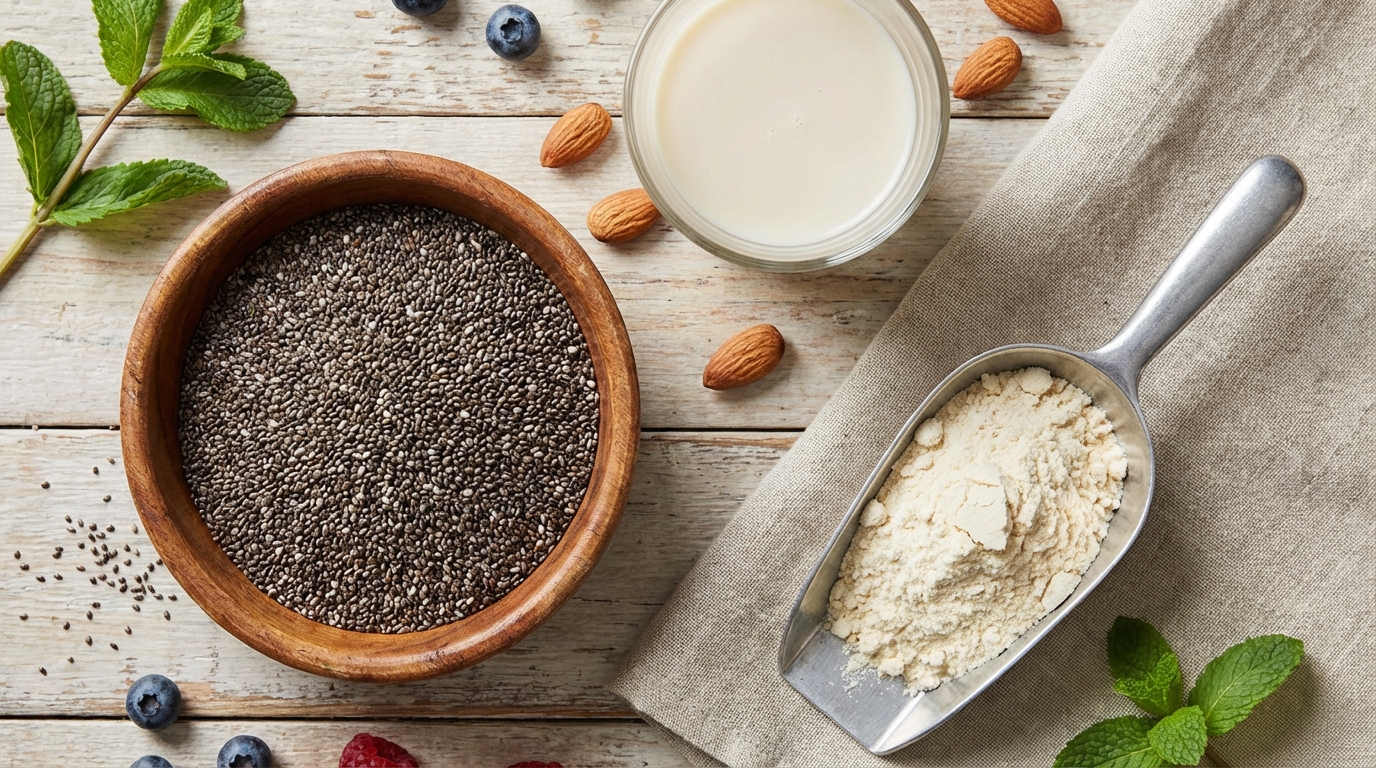
Why protein is the missing piece of the puzzle
In my experience, the biggest mistake people make with meal prep is focusing only on calories rather than macronutrient balance. I once spent a month eating just fruit and oats for breakfast and couldn’t figure out why I was always irritable by 11:00 AM. It was because I was missing the grounding effect of protein and fat. When you add a scoop of high-quality whey or plant-based protein to your chia pudding, you are essentially creating a slow-release fuel tank. Studies suggest that higher protein intake at breakfast is associated with better appetite control throughout the entire day. Also, the viscous fiber in the chia seeds helps slow down the absorption of the protein even further, making it an incredibly efficient way to eat.
Better ways to prep your chia pudding
The texture is usually where people get hung up. If you hate the “bumpy” texture of chia, try blending the entire mixture in a high-speed blender before letting it set. It turns into a smooth, decadent mousse that feels much more like a dessert than a health food. If you are okay with the texture, the standard stir-and-wait method works perfectly. I find that a ratio of 3 tablespoons of seeds to 1 cup of liquid is the golden rule for a thick, spoonable pudding. If you are adding protein powder, you might need an extra splash of milk because the powder tends to soak up quite a bit of moisture itself.
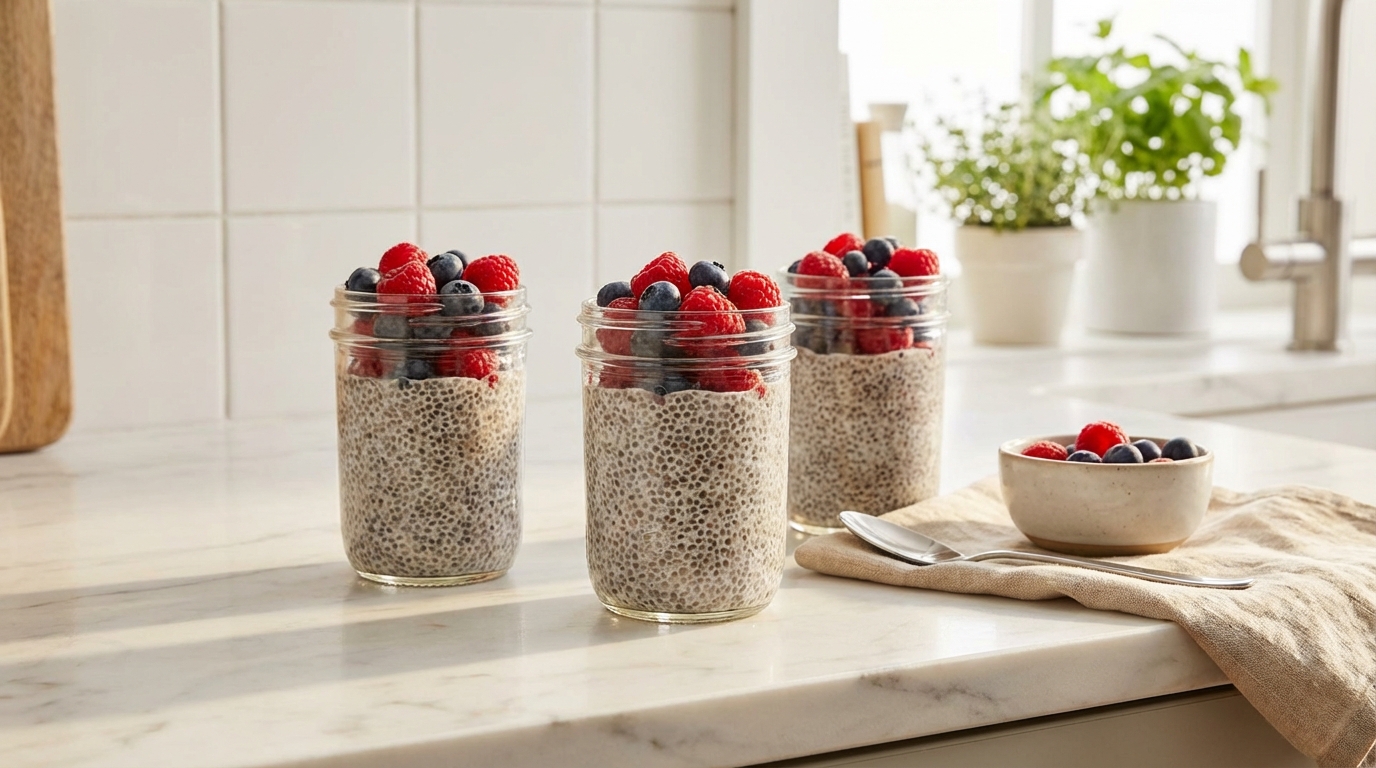
Recipe variations for a full work week
To make meal prep actually sustainable, you need variety. Nobody wants to eat the exact same flavor five days in a row. These six variations use different protein sources and flavor profiles to keep your palate interested while providing consistent nutrition. Each of these recipes assumes a base of 3 tablespoons of chia seeds and 1 cup of your choice of milk, plus one scoop of your favorite protein powder.
Almond and Vanilla Protein
This is the classic. Use unsweetened almond milk and a vanilla bean protein powder. I like to top this with slivered almonds for a bit of crunch. The vitamin E in the almonds paired with the healthy fats in the seeds makes this particularly good for skin health. It is simple, clean, and not too sweet.
Rich Chocolate and Sea Salt
For those mornings when you want something indulgent. Use a chocolate protein powder and a teaspoon of raw cacao powder for extra antioxidants. A tiny pinch of sea salt is the secret here. It cuts through the sweetness and enhances the chocolate flavor. It feels like eating chocolate pudding, but the science says otherwise.
Berry Blast with Greek Yogurt
If you want to skip the protein powder, Greek yogurt is your best friend. I’ve found that whisking half a cup of plain Greek yogurt into the chia and milk mixture adds about 12-15 grams of protein and a wonderful tang. Top it with smashed raspberries or blueberries. The polyphenols in the berries add an extra layer of anti-inflammatory benefit.
Peanut Butter and Cacao Nib
This is the most filling option on the list. Add a tablespoon of natural peanut butter to your base. The extra fats make it very satiating. I recommend using a neutral-flavored protein powder here so the peanut butter can shine. Cacao nibs on top provide a nice crunch without the added sugar of chocolate chips.
Coconut Mango Tropical Mix
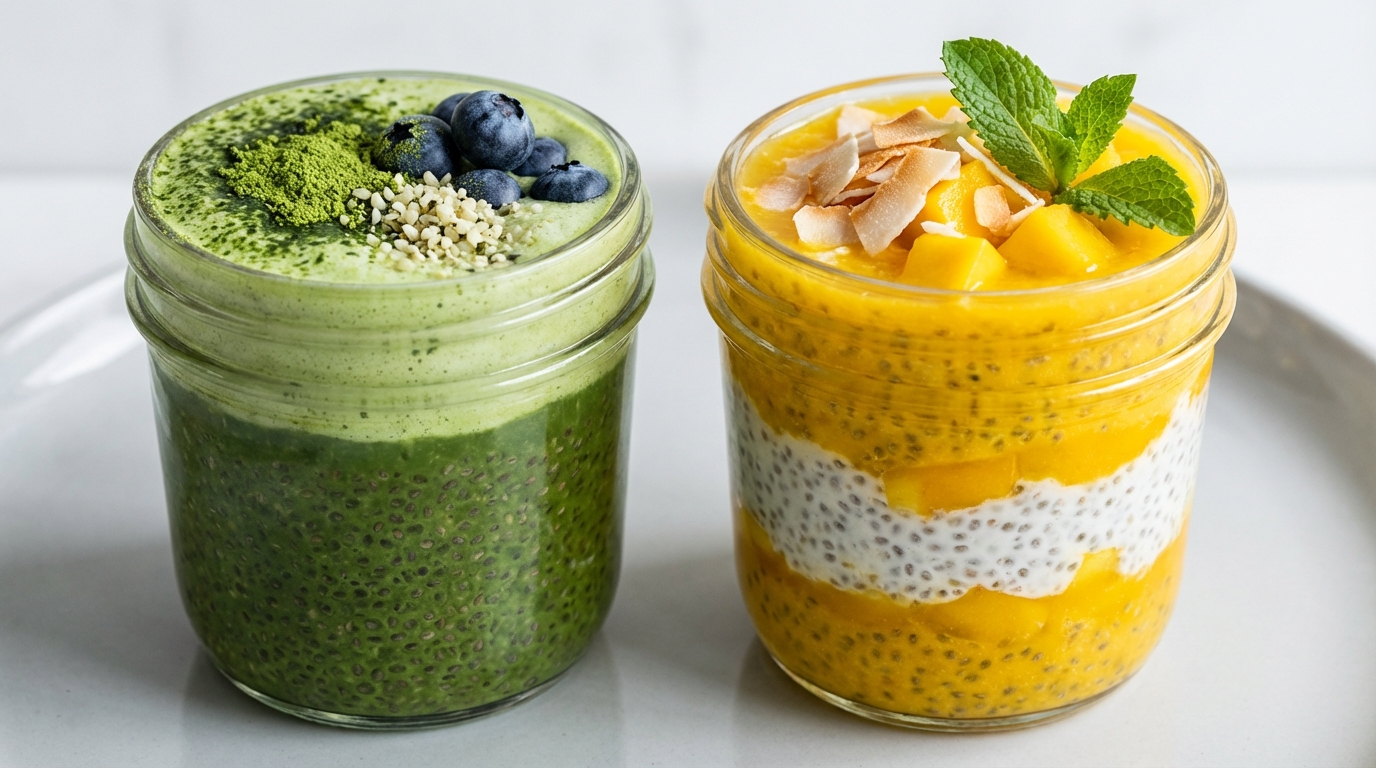
Use light coconut milk for the base to get those medium-chain triglycerides (MCTs) which can be used for quick energy. Fold in diced fresh mango after the pudding has set. This one is high in vitamin C and beta-carotene. It is a brighter, more refreshing option for warmer months.
Matcha and Green Tea Boost
Matcha provides a gentle caffeine lift without the jitters, thanks to the L-theanine it contains. Whisk a teaspoon of high-quality matcha powder into your milk before adding the seeds. This pairs exceptionally well with vanilla protein powder. It is an earthy, sophisticated flavor that also offers a massive hit of antioxidants.
Managing potential risks and digestive adjustments
Here is something people rarely talk about. If you are not used to eating a lot of fiber, jumping straight into a large bowl of chia pudding can be a bit of a shock to the system. I have seen people complain about bloating or discomfort, and usually, it is because they didn’t drink enough water. Fiber needs water to move through your system effectively. So, if you are adding this to your routine, make sure you are staying hydrated. Also, chia seeds contain phytic acid, which can interfere with mineral absorption. If you are worried about this, letting the seeds soak for at least 8 hours (overnight) helps break down some of those anti-nutrients, making the minerals more bioavailable.
Practical tips for long-term success
Look, the best meal prep is the one you actually eat. I have found that using wide-mouth mason jars makes the whole process easier. You can mix the ingredients directly in the jar, which means fewer dishes to wash. Also, don’t be afraid to experiment with the liquid. While almond milk is the standard, using soy milk actually adds more protein (about 8 grams per cup) compared to almond or coconut milk. If you are struggling to hit your protein goals, that one simple swap can make a big difference. And always, always stir the pudding twice. Stir it once when you mix it, then come back ten minutes later and stir it again. This prevents the seeds from clumping at the bottom and ensures a smooth consistency throughout.
Frequently Asked Questions
How long does chia pudding actually last in the fridge?
In my experience, five days is the limit for peak freshness. After that, the texture can start to get a bit too soft, and if you have added fresh fruit, it might begin to ferment or weep water. If you are prepping for a full week, maybe leave the fruit toppings off until the morning you plan to eat it.
Can I use whole chia seeds or do they have to be ground?
You can use either. Whole seeds provide that classic pudding texture. Ground seeds (chia meal) will create a much smoother, thicker consistency similar to a traditional custard. Both offer the same nutritional benefits, so it really comes down to what you prefer to eat.
Is it okay to eat chia pudding every day?
Generally, yes, as long as your body handles the fiber well. It is a nutrient-dense food that fits into most healthy eating patterns. However, I always advocate for variety in any diet. If you find you are getting bored, swap your chia pudding for some soft-boiled eggs or a different protein-rich breakfast a few times a week.
What is the best protein powder to use for these recipes?
I usually recommend a cold-processed whey isolate if you tolerate dairy, as it has a very high biological value. If you are plant-based, a pea and rice blend provides a complete amino acid profile. Just make sure to check the label for hidden sugars or artificial fillers that might negate the health benefits of your breakfast.
Getting your morning right sets the tone for everything else. By taking twenty minutes on a Sunday to prep these jars, you are removing the friction of making healthy choices during a hectic work week. It is a small investment that pays off in better energy, fewer cravings, and a more focused mind. Plus, once you find the flavor combination that clicks for you, it is something you will actually look forward to eating rather than just another chore on your wellness checklist.