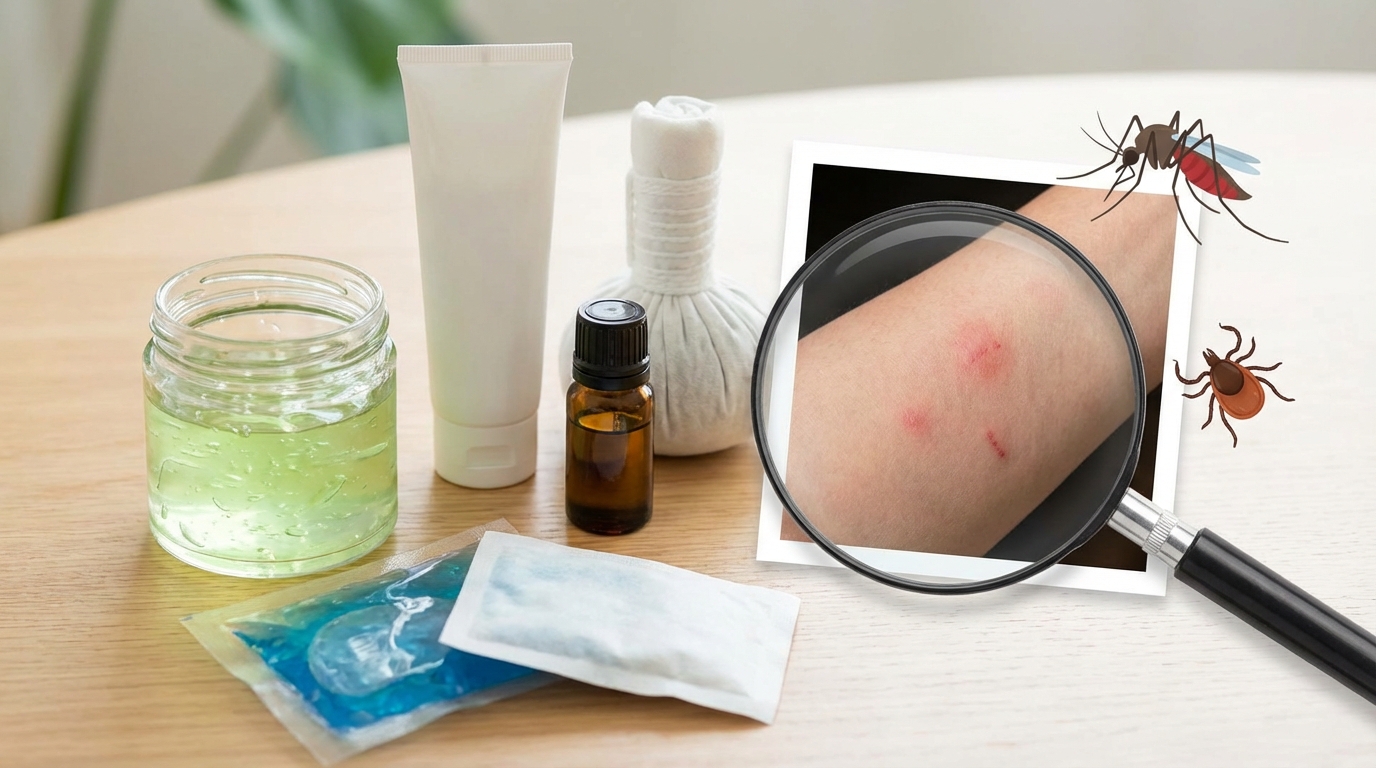
I once spent a week in the Maine woods thinking a small red mark on my ankle was just another mosquito bite. By day three, it had expanded into a perfect, terrifying bullseye. That experience taught me that what we don’t know about the bugs in our backyard can actually hurt us. Most of the time, a bite is just an annoyance. But occasionally, it is a clinical event that requires a specific, measured response. Recognizing the difference between a harmless itch and a genuine medical red flag is a skill every health-conscious person should have in their toolkit.
- Ticks often leave a distinct circular or bullseye pattern that requires immediate medical attention.
- Bee and wasp stings produce localized pain and swelling but can trigger systemic allergic reactions.
- Spider bites are rarely as dangerous as people fear, though necrotic center marks need a doctor.
- Nutrients like Zinc and Vitamin C can help the skin recover faster from inflammatory bites.
When your skin is compromised by an insect, your body launches an immediate inflammatory response. It is not just about the external bump. It is about how your immune system handles the foreign proteins or venoms introduced into your system. To manage this effectively, we need to look at both the external treatment and how we support our body from the inside out. Science suggests that a well-supported immune system can modulate the severity of localized swelling and speed up the cellular repair of the dermis.
Nutritional support for skin recovery and repair
While we often think of bug bites as strictly external problems, the speed at which your skin heals depends heavily on your internal biochemistry. Research indicates that certain micronutrients are fundamental to the inflammatory phase of wound healing. If your body lacks the building blocks to rebuild collagen or manage histamine, a simple bite can linger for weeks or even become infected.
Focusing on nutrient-dense ingredients is a proactive way to ensure your skin’s resilience. Here are the specific components that studies suggest are most effective for dermal recovery:
- Vitamin C: This is a major player in collagen synthesis. Without enough of it, the bridge across a skin puncture cannot form properly.
- Zinc: This mineral is essential for cell division and protein synthesis. It helps the body produce new skin cells to replace those damaged by the bite.
- Quercetin: Found in onions and apples, this antioxidant acts as a natural antihistamine. It can help dampen the body’s overactive response to common saliva proteins from insects.
- Bromelain: Extracted from pineapple, this enzyme is associated with reduced swelling and bruising, making it useful for larger stings.
Look, I am not saying a salad will cure a hornet sting. But a body that is chronically low on these basics will struggle to resolve the inflammation. Plus, staying hydrated helps your lymphatic system clear out the toxins more efficiently. It is all connected.
Identifying the source of the irritation
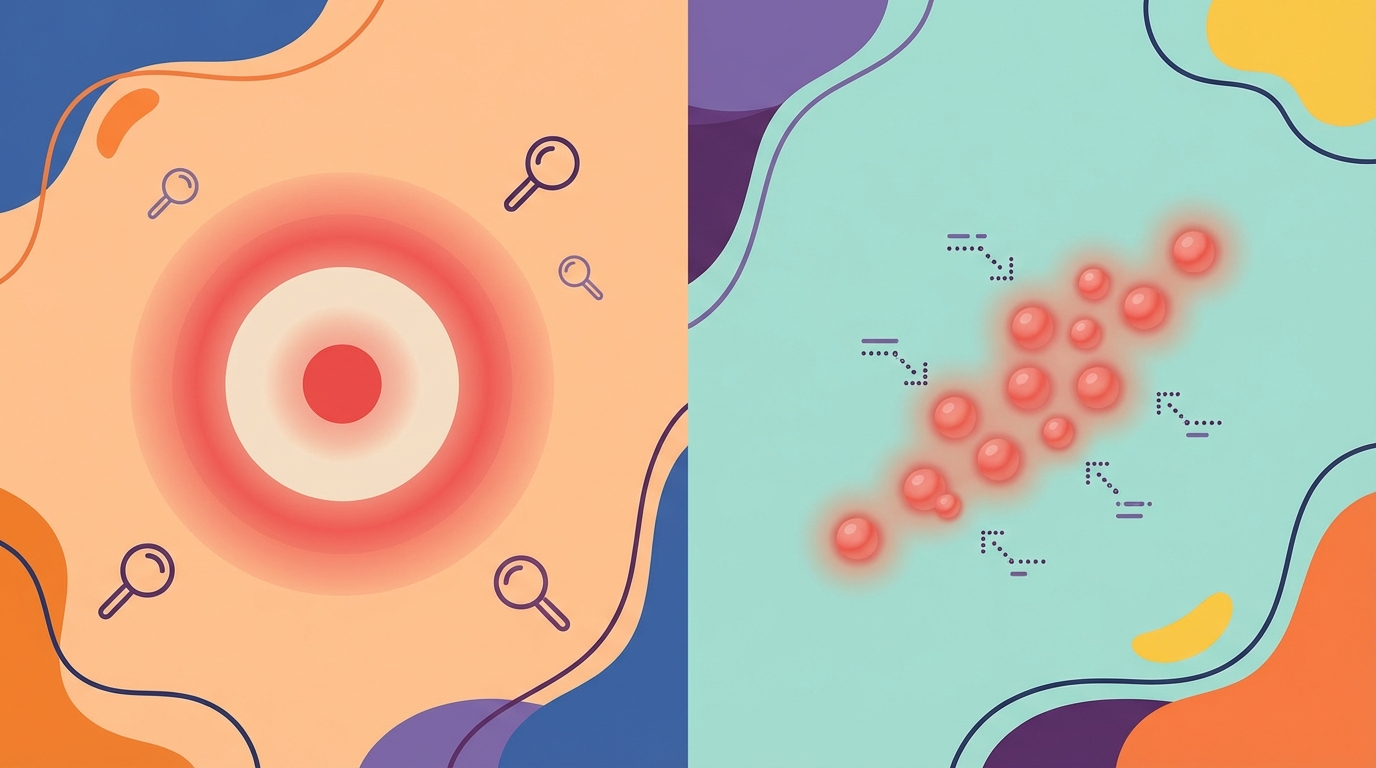
Here is the thing about bug bites. They all look similar at first. A red bump is a red bump, right? Not exactly. If you look closely at the geometry and the timing, you can usually figure out who the culprit was. For instance, bed bugs usually bite in a linear pattern, colloquially known as breakfast, lunch, and dinner. If you wake up with three or four itchy welts in a straight line, it is likely you have a domestic pest issue rather than a random outdoor encounter.
Spiders are the most blamed but the least likely offenders. Most spiders do not have fangs strong enough to pierce human skin. If you truly have been bitten by a spider, you will often see two tiny puncture marks very close together. Unless you live in an area with Black Widows or Brown Recluses, these are usually handled with standard first aid. However, if the center of the bite starts to turn purple or blue, that is a sign of tissue necrosis and requires a professional look.
Rich in antioxidants for inflammatory control
Managing the localized trauma of a sting requires your body to neutralize free radicals produced during the inflammatory surge. This is where antioxidants come into play. When an insect injects venom, it triggers oxidative stress at the site of the injury. Using whole, nutrient-dense ingredients to keep your antioxidant levels high can essentially provide an internal shield against this stress.
Evidence suggests that a diet high in polyphenols is associated with a more controlled inflammatory response. If you find yourself frequently targeted by mosquitoes during the summer, increasing your intake of dark leafy greens and berries might actually help your body process the bites with less collateral damage. It is a long-term strategy, but the science of nutritional immunology supports the idea that what we eat dictates how we react to environmental stressors.
Evidence based first aid for minor reactions
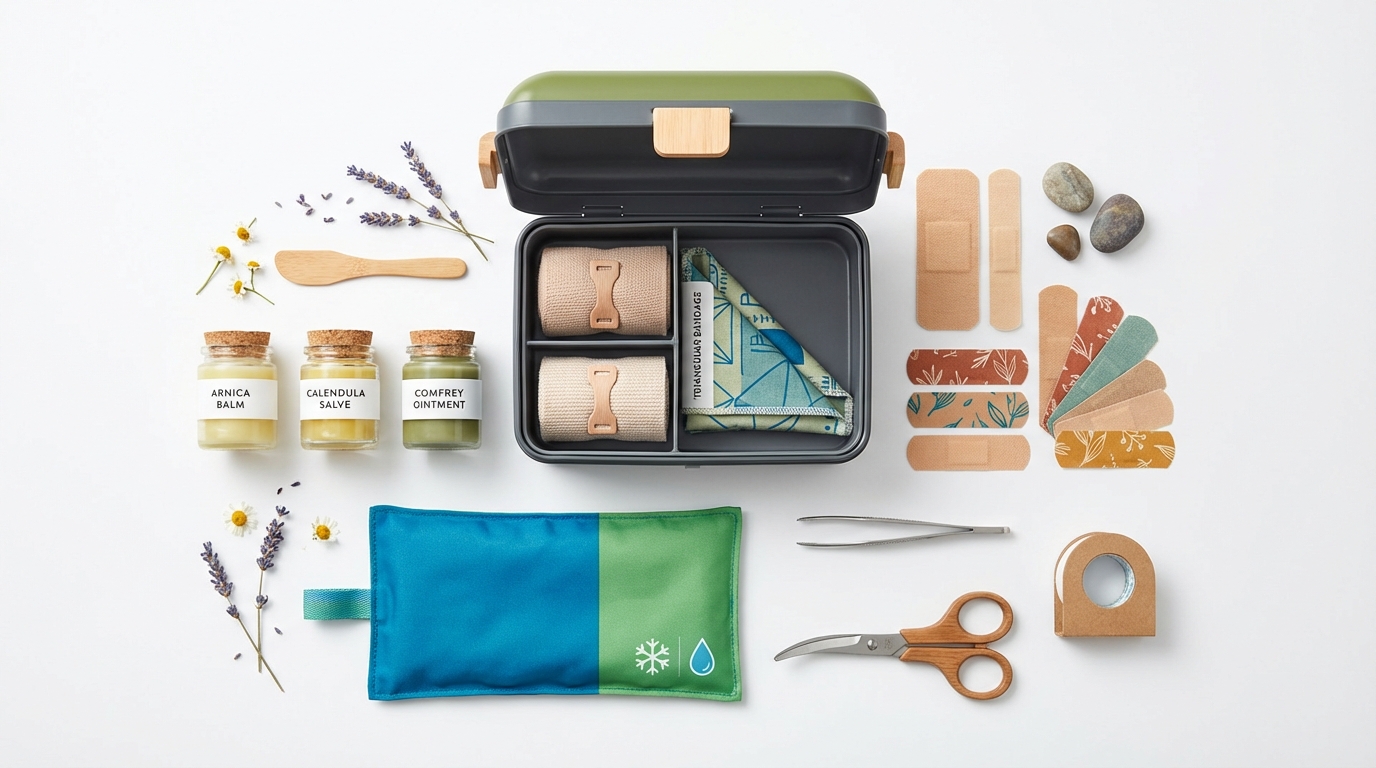
So, you have been bit. What now? Most people reach for the nearest cream, but a systematic approach works better. First, wash the area with mild soap and cool water. This isn’t just about hygiene. It removes any lingering saliva or venom from the surface of the skin, which can prevent further irritation. It also reduces the risk of a secondary bacterial infection if you end up scratching it later.
Here is my go-to protocol for standard bites:
- Apply a cold compress: Use a cloth-wrapped ice pack for 10 minutes on and 10 minutes off. This constricts the blood vessels and slows the spread of the inflammatory markers.
- Elevate the limb: If the bite is on your leg or arm, keep it raised. This helps gravity pull excess fluid away from the site, reducing that painful throbbing sensation.
- Topical barriers: Use a simple calamine lotion or a paste made of baking soda and water. These are time-tested methods to neutralize the pH and soothe the nerves.
- Avoid scratching: I know, it is hard. But scratching creates micro-tears in the skin that invite Staphylococcus bacteria to the party. Nobody wants a simple bite to turn into cellulitis.
And here is a small tip from my years of writing about health. If you are dealing with a bee sting, do not squeeze the stinger with tweezers. You might accidentally squeeze more venom into yourself. Instead, use the edge of a credit card to scrape it out horizontally. It is a small detail, but it matters.
Recognizing the bullseye and other red flags
We need to talk about ticks. In the medical world, the Erythema migrans rash is the classic indicator of Lyme disease. It often looks like a bullseye, with a red center, a clear ring, and another red ring on the outside. But here is the catch. Not everyone gets the bullseye. Sometimes it is just a solid red, expanding oval. If you find a tick attached, use fine-tipped tweezers to pull it straight out. Do not twist it. Do not use a hot match. Just a firm, steady pull.
Beyond ticks, we have to keep an eye out for systemic reactions. If a bite on your hand leads to swelling in your throat or difficulty breathing, that is not a localized reaction. That is anaphylaxis. It is a life-threatening emergency. Studies suggest that people who have had one severe reaction are at a much higher risk for future ones. If you have an EpiPen, use it and get to the hospital immediately.
“In the realm of environmental health, the skin is our primary barrier. Any breach of that barrier by a biological agent requires a calm, clinical assessment to prevent systemic complications.”
Weight management and systemic inflammation
You might wonder why weight management would matter for bug bites. Interestingly, science suggests that individuals with higher levels of systemic inflammation, often associated with metabolic syndrome, may experience more intense and prolonged reactions to insect bites. A body that is already in a state of high alert tends to overreact to small insults.
By maintaining a healthy weight through whole food nutrition and regular movement, you are effectively lowering your baseline inflammation. This makes your body more resilient. It is another reason to prioritize that balanced lifestyle. It turns out that being healthy makes you less of a target for the worst symptoms of a random bug encounter.

Frequently Asked Questions
What is the best way to stop the itching naturally?
While over the counter creams work, a cold compress is the most immediate natural way to numb the nerve endings. Also, a paste of baking soda and a tiny bit of water can help neutralize the acidity of certain insect bites, providing relief without chemicals.
How can I tell if a bite is infected?
A normal bite gets better over 48 hours. If yours is getting redder, feeling warm to the touch, or if you see red streaks radiating away from it, those are signs of infection. If you develop a fever, that is a sign the infection might be spreading and you need to see a doctor.
Are natural repellents actually effective?
Some essential oils, like lemon eucalyptus, have been shown in studies to be reasonably effective for short periods. However, they do not last as long as traditional repellents. If you are in a high-risk area for tick-borne illnesses, I recommend using the most robust protection available to you.
Managing bug bites is really about being a good detective and a patient healer. Most of the time, your body has the situation under control. By supporting your skin with the right nutrients and using sensible first aid, you can turn a potential week of misery into a minor blip. Stay observant, keep your first aid kit stocked, and don’t ignore an expanding rash. Your health is worth the extra attention.