\n\n
I remember sitting on my porch last fall with my rescue pup, Barnaby, a scruffy terrier mix with an appetite that rivals a teenage boy. I was peeling a mandarin orange inside the house, two rooms away and behind a closed door. Within seconds, I heard the frantic click-clack of his nails on the hardwood. He didnt see the orange. He didnt hear the peel. He just knew. That tiny wet nose of his had picked up a single molecule of citrus and sent a 911 alert to his brain. It is a moment every pet parent knows well, that silent realization that our animals live in a world of smells we can barely imagine.
\n\n
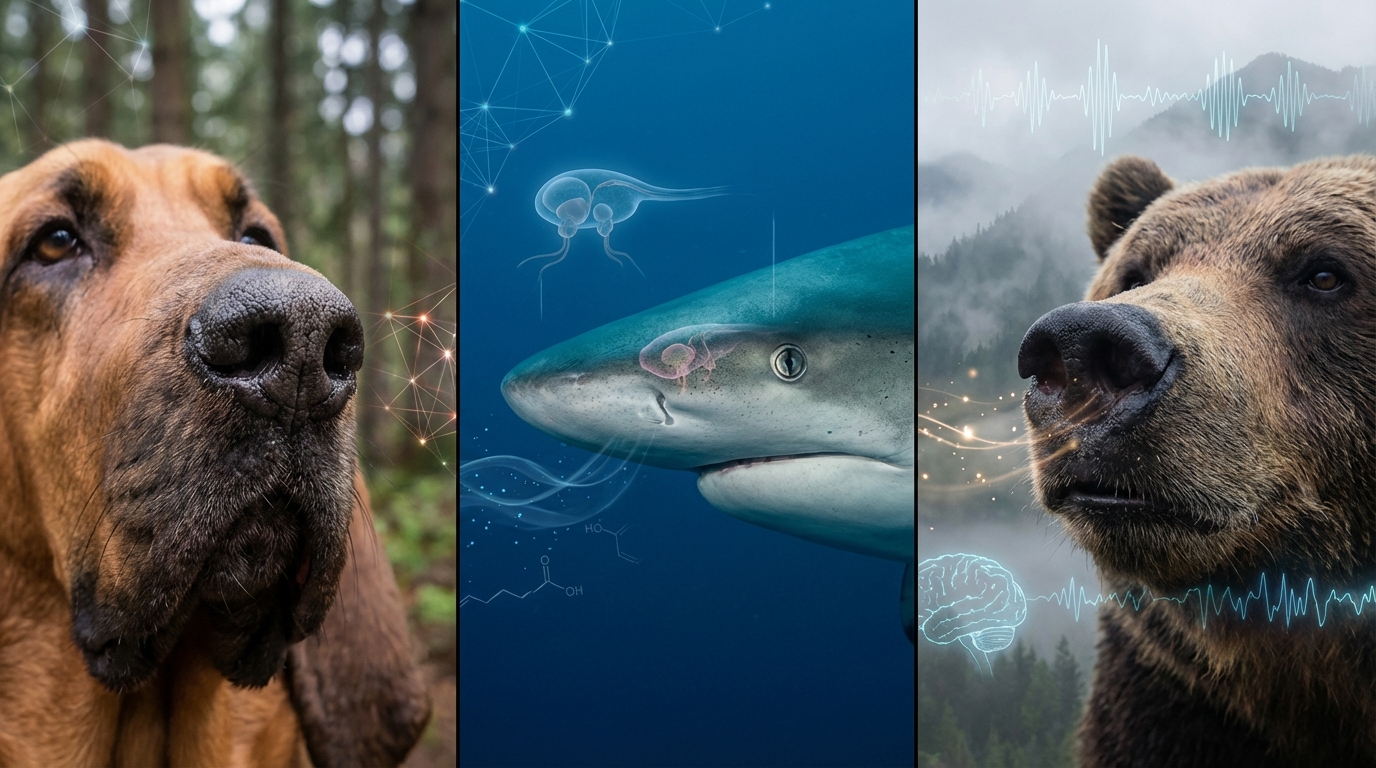
But as much as I like to think Barnaby is a master detective, he is basically a novice compared to the heavyweights of the wild. While our dogs are living in a high-definition scent world, creatures like bears and elephants are living in a full-blown IMAX experience. We are talking about the ability to track a scent not just across a room, but across entire zip codes. It is a level of biological engineering that is both fascinating and, if you are a hiker like me, a little bit intimidating.
\n\n
- Bears possess the strongest sense of smell of any land animal, reaching up to 20 miles away.
- Elephants have more scent-related genes than any other species, including dogs.
- Humans are at the bottom of the pile, with a scent range of only about 1.5 meters.
- A dogs nose is incredible, but a bear’s olfactory bulb is five times larger than ours.
\n\n
\n\n
How our own noses compare to the animal kingdom
\n\n
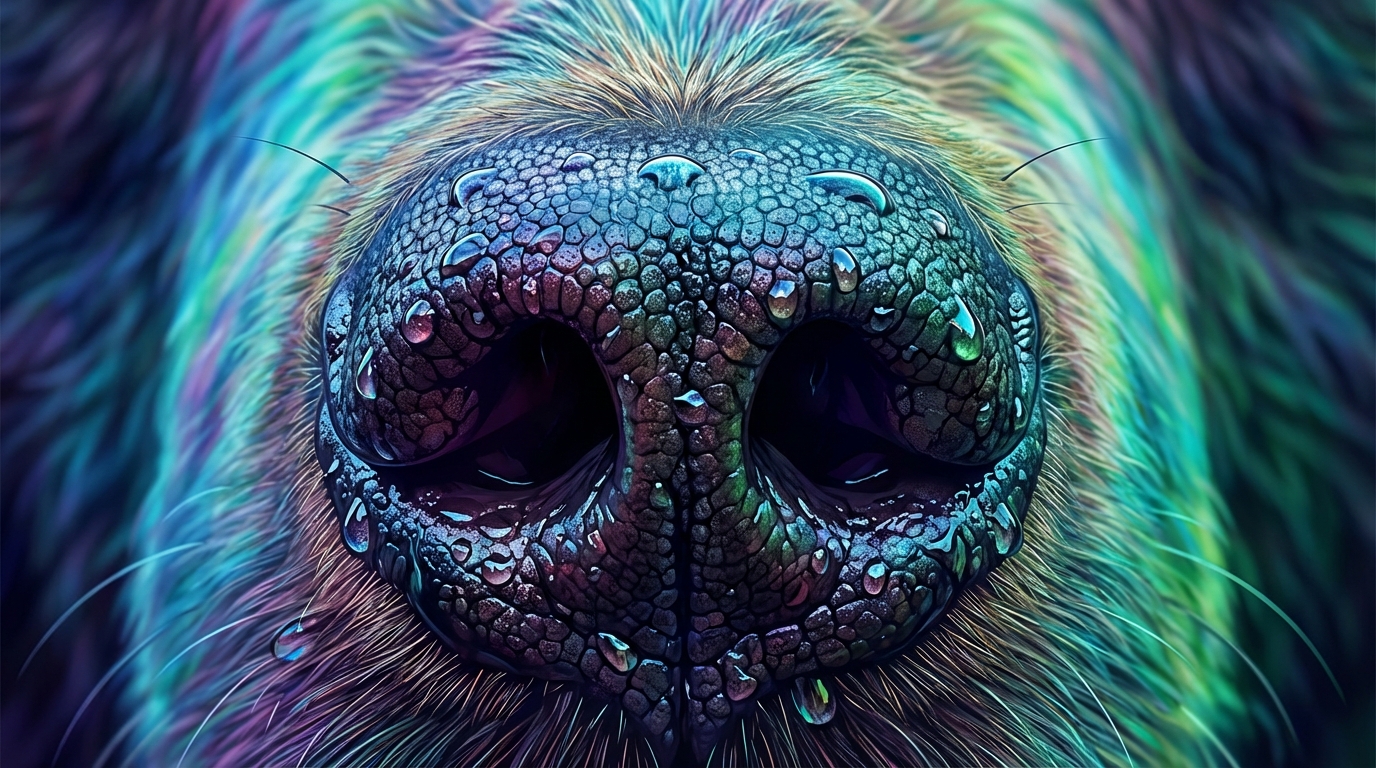
Let’s be real, humans are the scent-blind cousins of the animal world. We rely so heavily on our eyes that we have let our olfactory skills go a bit soft. Research suggests that the average human can detect a scent from about 1.5 meters away. That is barely enough to know if the person standing next to you at the grocery store forgot their deodorant. We have about 5 million olfactory receptors, which sounds like a lot until you realize what we are up against.
\n\n
Your average house dog? They have around 220 million to 300 million of those receptors. When a dog walks into a park, they aren’t just looking at grass and trees. They are reading a newspaper written in smells. They know who was there three hours ago, what they ate, and if they were feeling stressed or happy. It is a beautiful, invisible language that helps them bond with us and navigate their world. But even the most talented Bloodhound looks like an amateur when a Polar Bear enters the chat.
\n\n
Here is the thing. Animal scent detection is not just about having a bigger nose. It is about how the brain processes that data. In many super-sniffers, a huge portion of their brain is dedicated solely to interpreting smells. For us, it is a tiny footnote. For them, it is the headline story every single day.
\n\n
The undisputed champions of the long distance sniff
\n\n
If there was an Olympic gold medal for smelling, the bear would take it every single time. It does not matter if it is a Grizzly, a Black Bear, or a Polar Bear. These animals are essentially giant noses with fur and claws. A bear’s sense of smell is estimated to be roughly 2,100 times better than a human’s. And honestly? That is a conservative guess. Some experts think it is even higher.
\n\n
I once spoke with a park ranger who told me a story about a bear tracking a carcass that was buried under several feet of snow and ice, miles away from where the bear started. The bear didn’t wander aimlessly. It walked in a straight line, guided by an invisible thread of scent molecules dancing in the wind. A bear can smell a food source from 20 miles away. To put that in perspective, if you were standing in the middle of a major city, a bear could smell a backyard barbecue happening in the next county over.
\n\n
Why do they need this? It comes down to survival. Bears are solitary roamers. They need to find high-calorie food across vast, rugged terrains where visibility might be poor. Their olfactory mucosa, the area inside the nose that captures scents, is about 100 times larger than ours. It is folded into intricate loops that provide a massive surface area for catching every stray molecule of bacon grease or ripening berries.
\n\n

\n\n
The secret weapon of the elephant trunk
\n\n
While bears might have the range, elephants have the technical sophistication. We often think of an elephant’s trunk as a multi-tool for drinking water or knocking down trees. But it is actually the most sensitive nose on the planet. A study published in Genome Research found that African elephants have about 2,000 genes dedicated to smell. To give you some context, dogs have about 800 and we humans have a measly 400. They have essentially evolved to be the ultimate scent computers.
\n\n
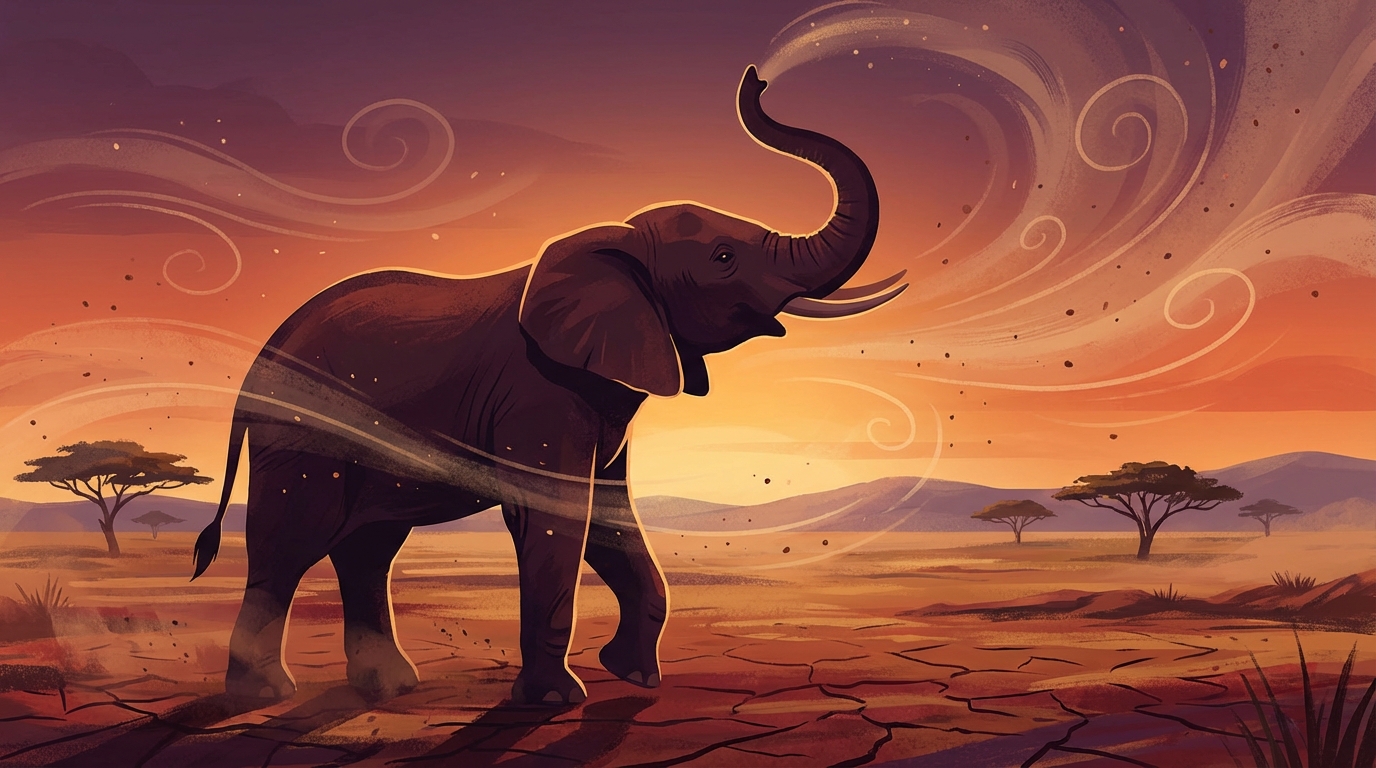
Elephants use their trunks like a periscope. They will lift them into the air and wave them around to catch scent currents from miles away. They can detect water sources from nearly 12 miles away, which is a literal lifesaver in the dry savanna. But it gets even cooler than that. Elephants can actually distinguish between different groups of humans based on scent alone. They can tell the difference between a tribe that traditionally hunts them and one that leaves them alone, just by the smell of their clothing or skin. That is not just smelling, that is high-level intelligence at work.
\n\n
Why our dogs still hold a special place in our hearts
\n\n
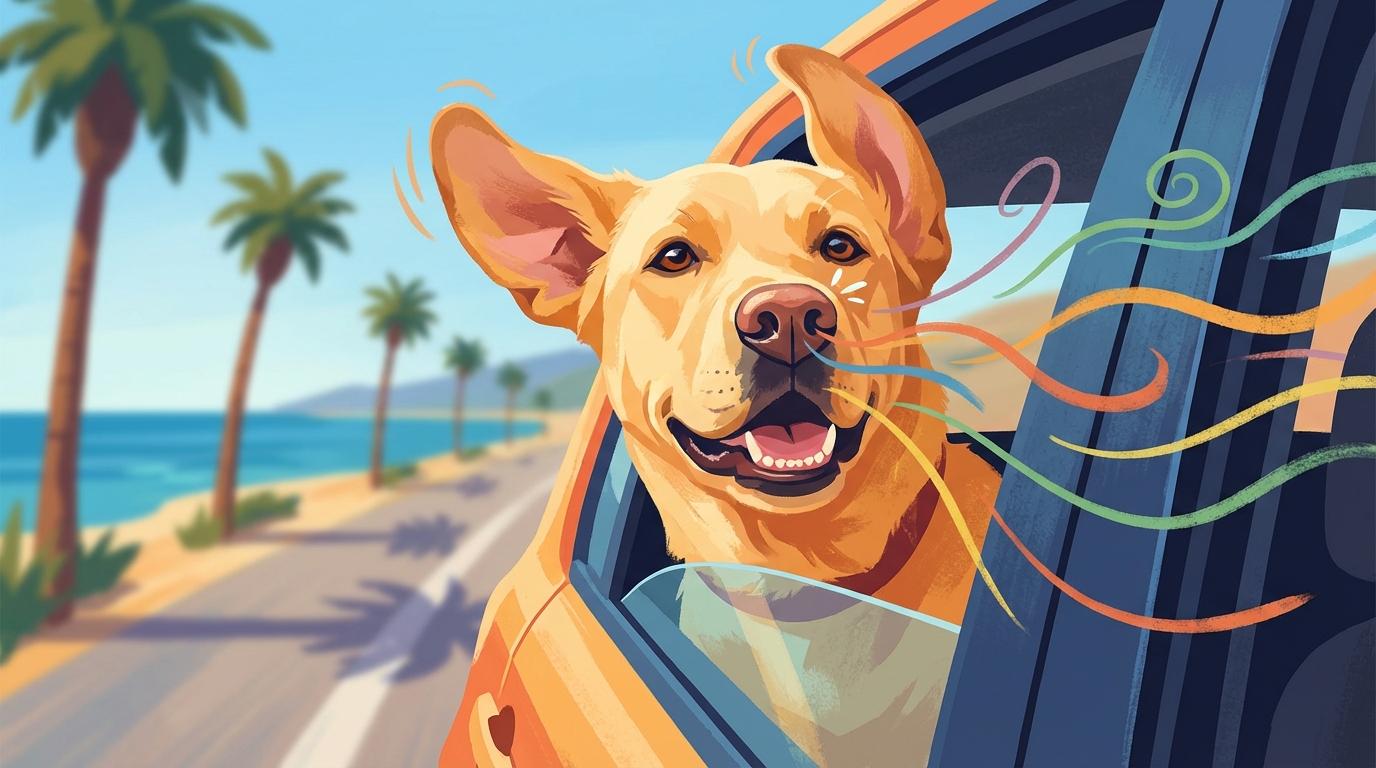
So, if bears and elephants are so much better at smelling, why are we so obsessed with our dogs’ noses? Because dogs use their super-sniffing skills to connect with us in a way no other animal does. A dog can smell the drop in your blood sugar if you are diabetic. They can smell the spike in cortisol when you are having a panic attack. They use their noses to provide comfort, service, and companionship.
\n\n
There is something deeply moving about the fact that your dog knows you are coming home before you even pull into the driveway. They aren’t just hearing the car. They are catching your unique scent signature as it wafts through the air. In the world of pet parenting, we often focus on what we can see, the wagging tails and the puppy dog eyes. But for our pets, the deepest bond is forged in the smells we share.
\n\n
I have seen dogs identify their favorite toy from a pile of dozens, or find a lost child in a crowded forest. Their range might be shorter than a bear’s, capped at about 1.5 to 2 kilometers depending on the wind, but their precision is unmatched. They aren’t just looking for food, they are looking for us.
\n\n
\n\n
Staying safe in a world of super-sniffers
\n\n
Understanding these incredible abilities isn’t just a fun trivia fact. It is practical knowledge for anyone who loves the outdoors. If you are hiking in bear country, you have to realize that you are essentially a walking scent bomb. Everything from your deodorant to that crumpled granola bar wrapper in the bottom of your pack is broadcasting your location. This is why bear canisters and proper food storage are such a big deal. You aren’t just hiding food from their eyes, you are trying to minimize a scent trail that can be followed for miles.
\n\n
Here are a few ways to manage scents when you are out in the wild:
\n\n
- \n
- Use unscented toiletries whenever possible. That lavender-scented dry shampoo might smell great to you, but to a bear, it is a curious new aroma worth investigating.
- Keep a clean camp. Even small spills of coffee or juice can linger on the ground for days, drawing in wildlife long after you have left.
- Store food in airtight containers. If the molecules can’t escape, the super-sniffers can’t find them.
- Be mindful of the wind. Animals will usually approach from downwind so they can smell you before you see them.
\n\n
It is also worth noting that while these animals have incredible noses, they aren’t always looking for trouble. Most of the time, they use their sense of smell to avoid humans. We don’t exactly smell like a delicious snack to a bear or an elephant. Usually, we smell like chemicals, laundry detergent, and “danger.” By understanding their scent-detection distances, we can respect their space and enjoy the wild more safely.
\n\n
\n\n
The evolutionary reason for the big nose
\n\n
Why did some animals end up with these crazy abilities while we stayed stuck with our basic human sniffers? It mostly comes down to what we needed to survive. Our ancestors moved into open spaces and started walking upright. We traded a sense of smell for better color vision and depth perception. We needed to see predators from far away and spot ripe fruit in the trees. We became visual creatures.
\n\n
Bears and elephants stayed in environments where sight isn’t always the best tool. In a thick forest or a dusty savanna, your eyes can only see so far. But a scent? A scent can travel around corners, through dense brush, and over hills. It is the ultimate long-range communication tool. For these animals, a powerful nose isn’t a luxury. It is their primary way of understanding the reality they live in.
\n\n
Look, I will never have the nose of a Grizzly. I will probably always be surprised when Barnaby finds a piece of popcorn I dropped under the rug. But knowing that there are animals out there who can sense the world from miles away makes the planet feel a little more magical. It reminds us that there is so much more happening in nature than what we can see with our own two eyes. Next time you see your pet sniffing a fire hydrant or a tree trunk for five minutes straight, don’t pull them away too fast. Let them finish reading their morning news. They are just tuning into a frequency we aren’t lucky enough to hear.
\n\n
\n\n
Frequently Asked Questions
\n\n
Can a dog smell as well as a bear?
\n\n
Not even close. While dogs have amazing noses that are thousands of times better than ours, a bear’s sense of smell is in another league. A dog can usually track a scent from up to 2 kilometers away in perfect conditions, while a bear can reach up to 30 kilometers. Bears have significantly more olfactory receptors and a much larger part of their brain dedicated to processing those smells.
\n\n
What animal has the most scent genes?
\n\n
The African elephant currently holds the record. They have about 2,000 genes dedicated to their sense of smell. This is more than double what a dog has and five times more than a human. Their trunk is not just a nose, it is a highly sophisticated sensory organ that can pick up incredibly subtle chemical changes in the environment.
\n\n
How can I hide my scent from a bear while hiking?
\n\n
Honestly, you can’t completely hide your scent from a bear. Their noses are too powerful. The goal is to avoid smelling like something they want to eat or investigate. Use scent-proof bags for your food, avoid wearing strong perfumes or colognes, and always store your gear away from your sleeping area. The best strategy is to make noise so the bear knows you are a human and has the chance to move away before you get too close.
\n\n
Does a cat have a better sense of smell than a human?
\n\n
Yes, cats have a much better sense of smell than humans, though they aren’t quite on the level of dogs or bears. A cat has about 200 million odor-sensitive cells, compared to our 5 million. They use their sense of smell to identify territories, find mates, and detect prey. They also have a special organ in the roof of their mouth called the Jacobson’s organ, which allows them to essentially taste-smell the air.